RENEWABLE AND LOW-CARBON STEAM

Renewable steam routes for real industrial operation.

Compare biomass, biogas, hydrogen, waste heat and electric steam paths for plants that need lower emissions without giving up reliability.

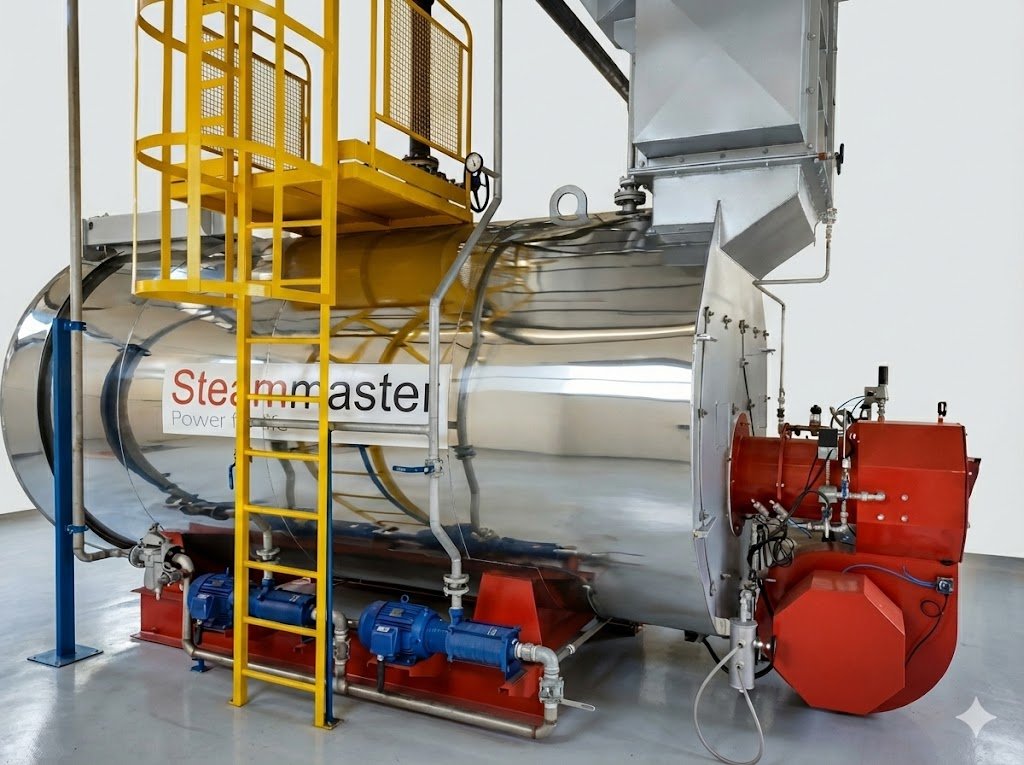
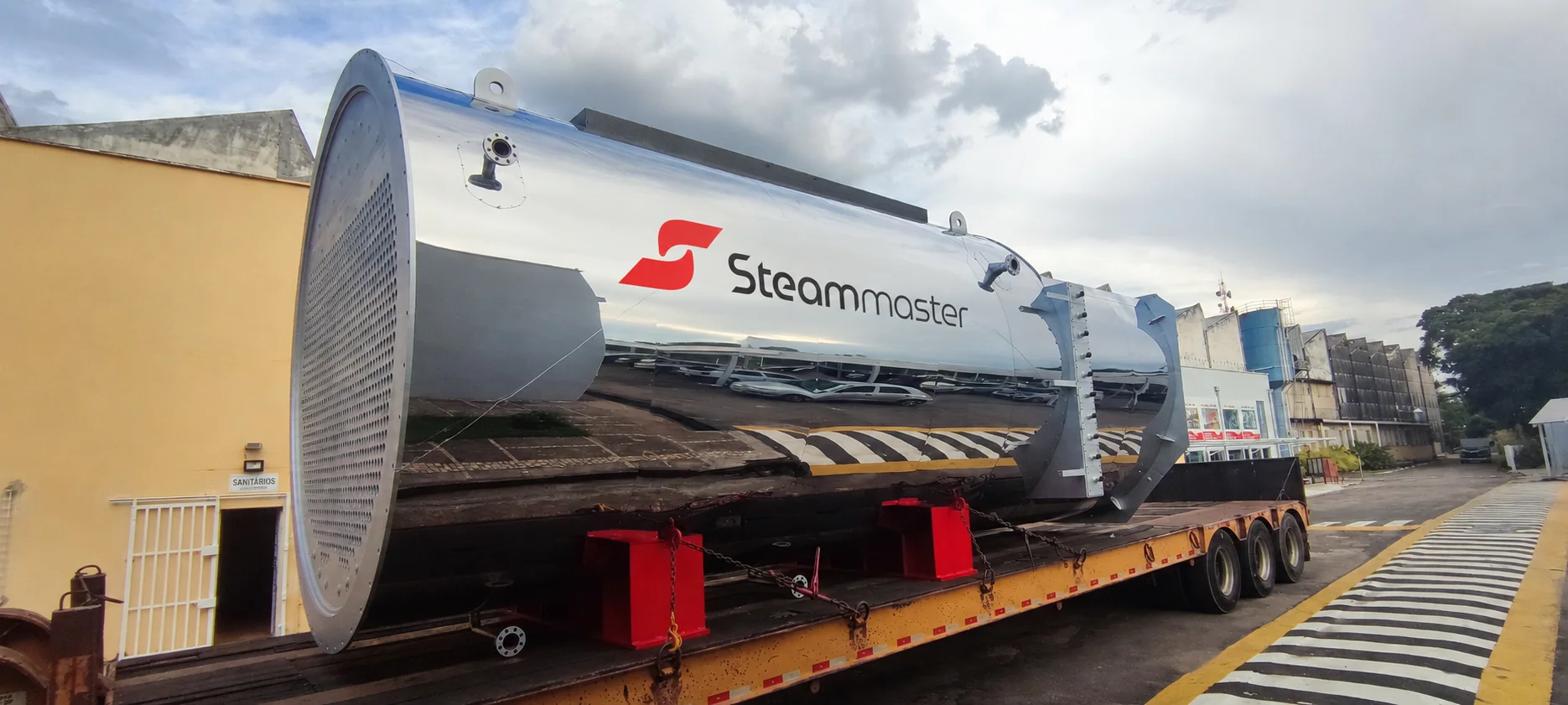
Installed EletriMax electric steam boiler for zero on-site emissions

ELECTRIC BOILER

Zero on-site emissions with thyristorized load control.

The EletriMax electric platform generates steam or hot water on demand from renewable electricity, with no on-site combustion and no exhaust gases. Precise thyristorized load control delivers fast response for electrification programs, and the platform integrates with Steammaster boilerhouse systems for water treatment, deaeration, and condensate management. Control-system connectivity allows the boiler to run preferentially when green electricity is available.
HYDROGEN AND H2-READY

100% hydrogen combustion with proven Steammaster experience.

Hydrogen combustion produces water instead of CO2. Steammaster has proven experience with 100% hydrogen firing and can configure oil and gas steam platforms for hydrogen, hydrogen co-firing, or H2-ready conversion paths. When hydrogen availability fluctuates, multi-fuel burners allow dynamic operation with natural gas as complement, keeping process steam or hot water stable. Conventional platforms such as VaporMax can also be delivered H2-ready, so the burner and control architecture accept a later conversion without replacing the boiler.

BIOGAS

Turn on-site biogas into stable process steam.

Plants that digest organic residues - breweries, dairies, food processing - often produce biogas on site. Steammaster steam and hot water boilers are available in biogas configurations, with combustion adapted to the actual composition of the customer's gas for high efficiency and low emissions. Because biogas production rarely matches heat demand hour by hour, dual- and tri-fuel burners allow the fuel mix to adjust dynamically to biogas availability, with natural gas or liquid fuel as backup.

Combustion-side boiler installation prepared for engineered fuel adaptation

LIQUID BIOFUELS

Use production by-products as boiler fuel.

Bio-oil, alcohols, and special liquid fuels accumulate as by-products in many production processes. Firing them displaces fossil fuel and eliminates disposal and logistics cost at the same time. Steammaster equips steam and hot water boilers for the specific fuel: fuel preheating, special burner selection, and combustion-chamber cleaning provisions, engineered to keep emissions controlled with non-standard fuels.

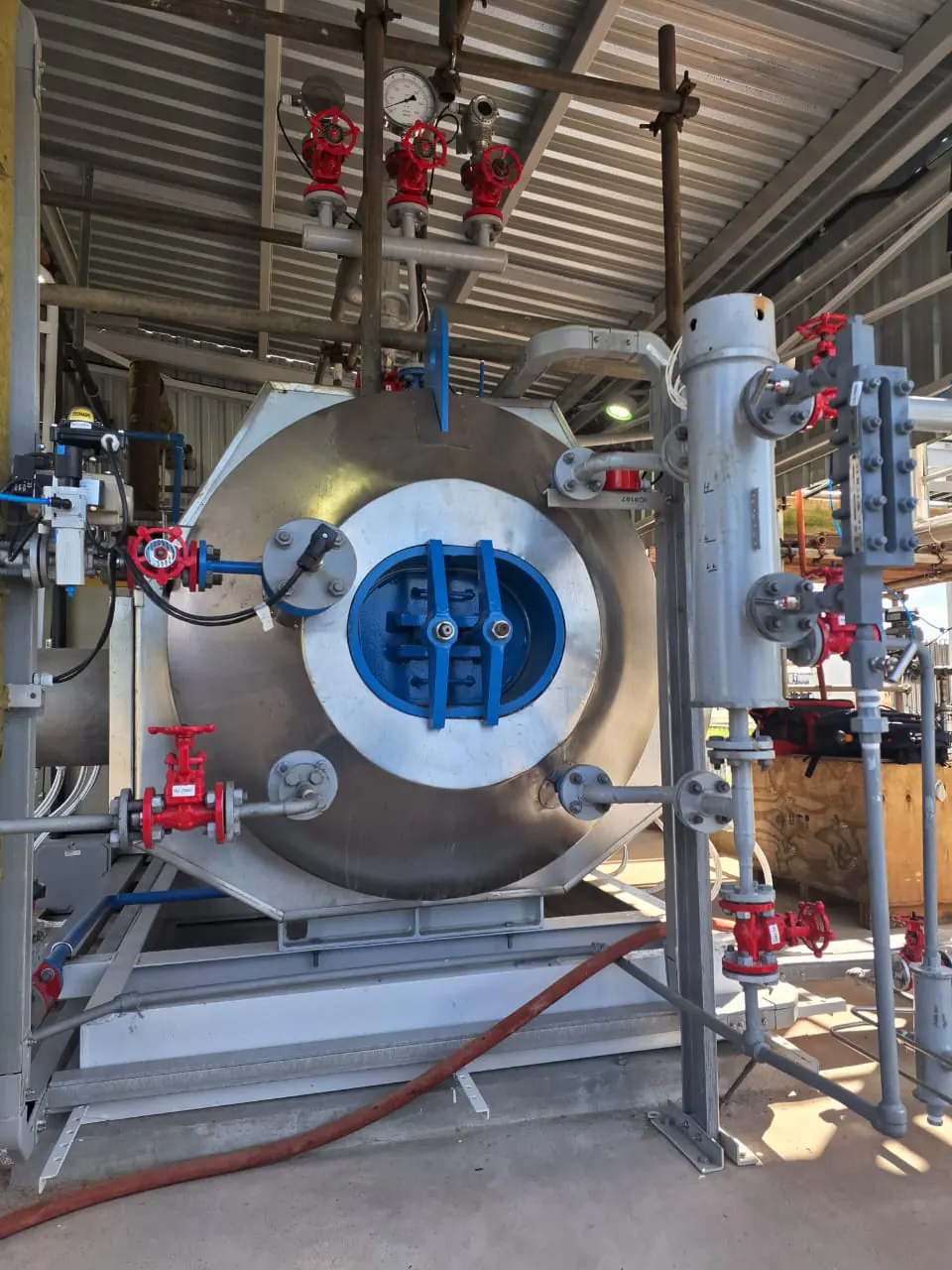
CRS waste-heat recovery boiler reference image

WASTE HEAT RECOVERY

Convert exhaust energy you already paid for into steam.

Industrial processes, CHP engines, and turbines discharge hot exhaust gases. The CRS waste-heat recovery boiler family captures that energy and converts it into hot water or steam, reducing the plant's total fuel demand. Beyond fully waste-heat-powered units, combined arrangements allow simultaneous waste-heat recovery and supplementary firing, so recovered energy carries a meaningful share of boiler output - especially at partial load.

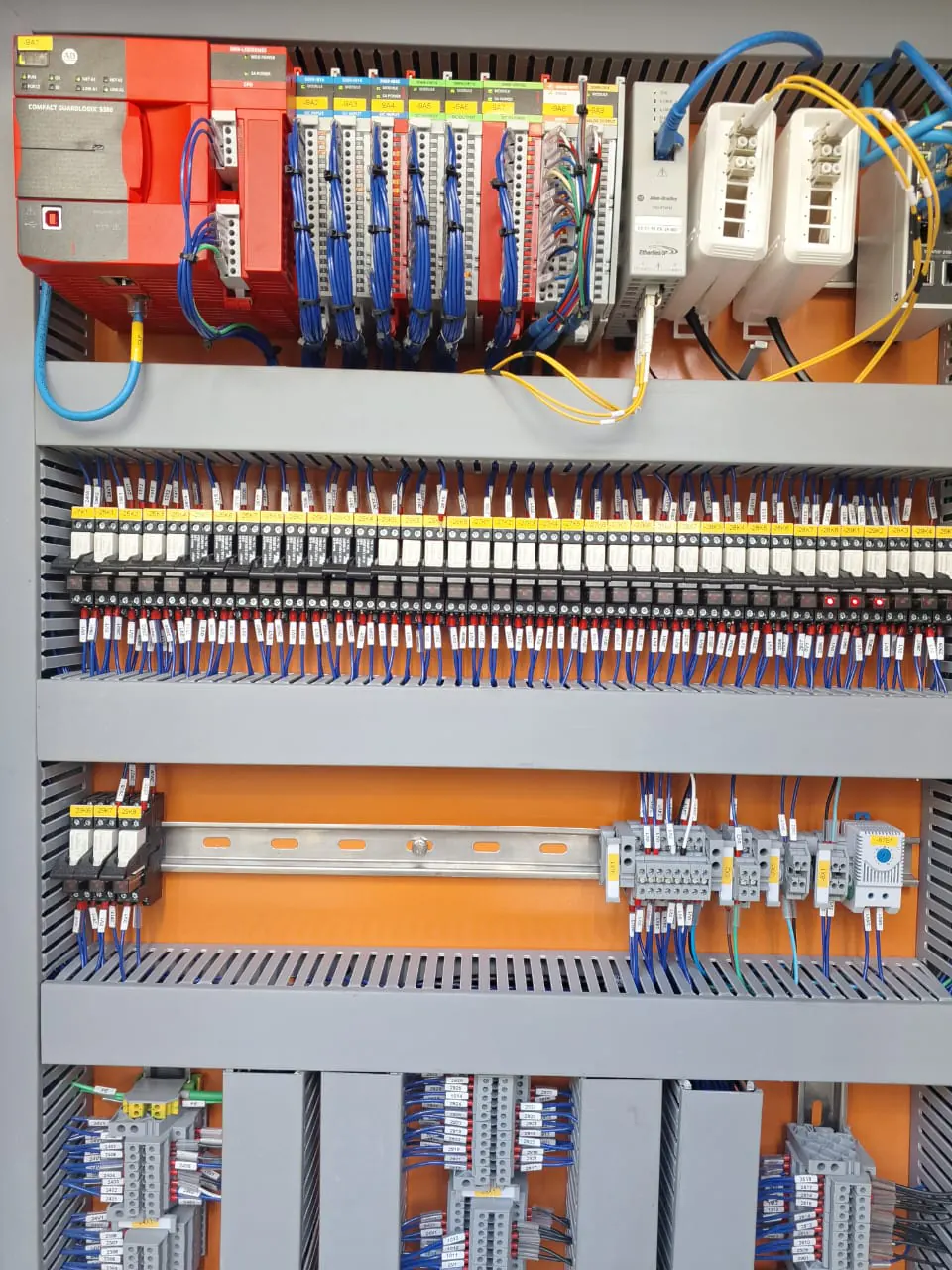
EletriMax automation panel for hybrid steam operation

HYBRID OPERATION

Use surplus renewable electricity without giving up fuel firing.

Plants with access to renewable or surplus electricity can combine electric steam generation with fired capacity. Pairing an EletriMax electric boiler with a fired Steammaster platform lets the control system prioritize electricity when it is cheap or green and fall back on fuel when it is not - minimizing fuel purchase without risking steam availability. Combined with biofuels, hybrid arrangements can support a fully CO2-neutral steam strategy.

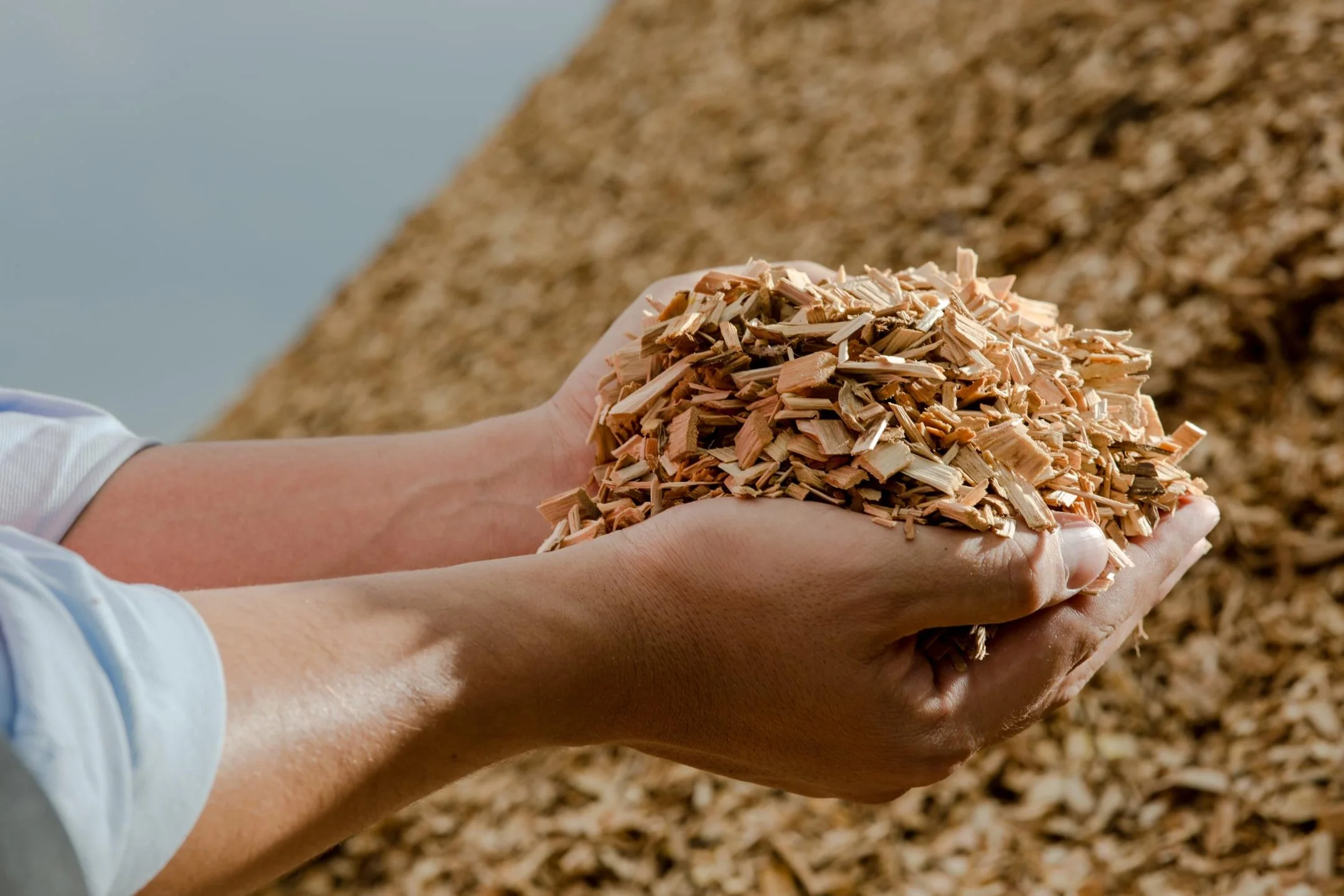
Industrial biomass fuel prepared for steam generation

STEAM OR HOT WATER (BIOMASS)

Biomass steam built for real fuel variability.

Biomass is Steammaster's deepest renewable route. The VMIC-RG modular platform delivers 6,000 to 25,000 kg/h of steam at up to 21 bar using hydraulic reciprocating-grate combustion with multi-zone air control - engineered for wood chips, agro-residues, and mixed biomass with high moisture. Heat recovery through air preheater and economizer stabilizes combustion and reduces fuel demand, while the hydraulic feeding system with synchronized double gates provides airtight sealing and backfire protection. For U-type grate architecture, the VMU-RG extends the same combustion discipline; for smaller demands and compact boilerhouses, the VMFI and VMI hybrid compact platforms bring biomass firing into a tighter footprint.

Palm tree representing the origin of palm press fiber used as industrial biomass

PALM FIBER | STEAM AND COGENERATION

From palm pressing to reliable industrial steam.

Fiber generated after palm fruit pressing can return to the process as a biomass fuel, reducing residue handling and contributing to the plant's steam and cogeneration balance. The VME combines a large-volume vertical water-tube furnace, water-cooled Pin-Hole grate and suspension combustion to handle variable, high-moisture biomass. Final performance depends on fuel analysis and the plant's actual steam and electricity demands.

NEXT STEP

Start from the fuel strategy, then narrow the platform.

Whether the driver is biomass availability, hydrogen readiness, electrification, or waste-heat capture, the next step is the same: compare the platform families, run preliminary sizing in the tools, and bring the scenario to engineering.