PALM INDUSTRY | RENEWABLE PROCESS STEAM

Turn palm press fiber into reliable steam and cogeneration potential.

Mesocarp fiber left after palm-oil extraction can become an on-site boiler fuel. A successful project connects the real fuel analysis, stable handling and combustion, the mill's steam balance and the right VME configuration.

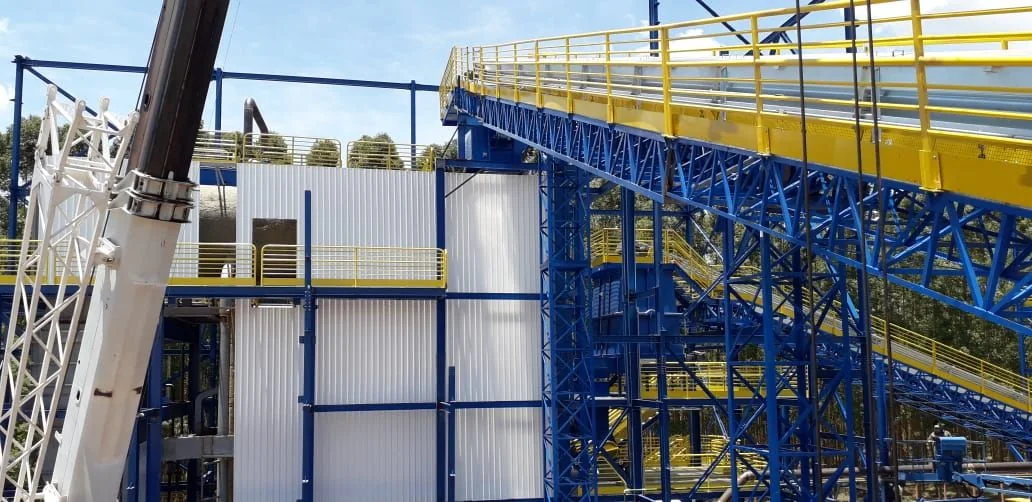
Steammaster VME boiler proposed for palm-fiber engineering assessment

CIRCULAR ENERGY

Use a process by-product where steam is already required.

Steam for the palm-oil process

Palm mills commonly use mesocarp fiber and palm-kernel shell as boiler fuels. The generated steam can serve extraction and other thermal consumers, reducing dependence on purchased fossil fuel when the complete system is correctly sized.

Cogeneration is a balance, not a promise

High-pressure steam can supply a turbine before serving the process. Self-generation and possible power export depend on seasonal fuel availability, steam demand, turbine arrangement, electrical interconnection, operating hours and local regulation; they must be confirmed in a project-specific mass and energy balance.

FROM RESIDUE TO USEFUL ENERGY

Four engineering stages connect the fiber to the steam header.

Characterize the fuel

Measure moisture on a wet basis, lower heating value, residual oil, ash content and composition, particle-size distribution, contaminants and seasonal variation.

Stabilize storage and feeding

Define drainage, residence time, fire protection, extraction and metering. Fiber and shell blending may be evaluated when it improves handling or the thermal profile.

Configure VME combustion

Match the Pin-Hole grate, suspension firing, combustion-air distribution, furnace volume, heat recovery and gas-cleaning system to the representative fuel.

Close the steam and power balance

Compare process steam, boiler auxiliaries and the selected turbine cycle across harvest, reduced-load and shutdown scenarios before estimating any exportable electricity.

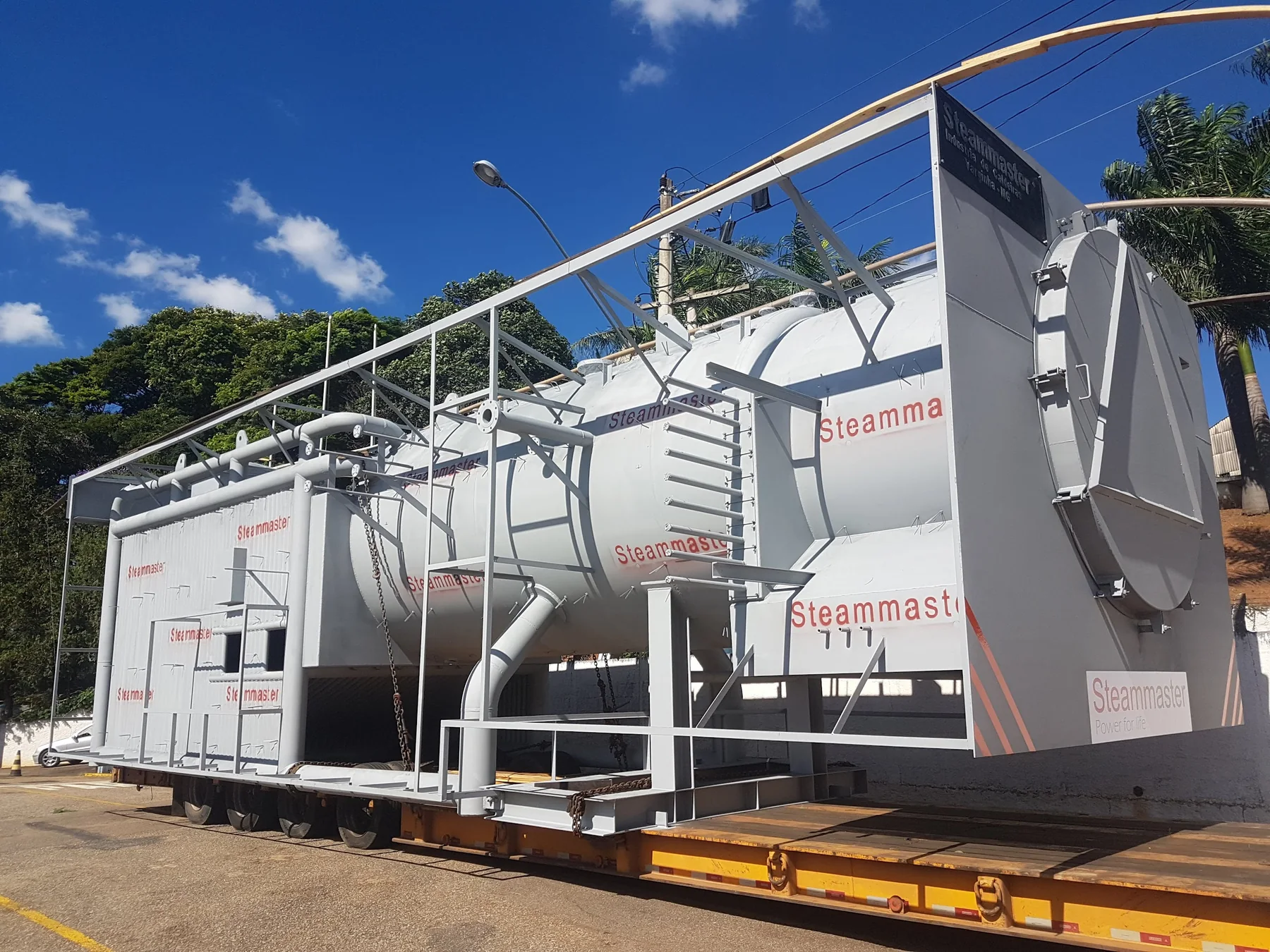
Tall VME furnace under fabrication for suspension biomass combustion

TARGET PLATFORM: VME

A combustion architecture prepared for variable agro-industrial biomass.

  • Tall, large-volume water-tube furnace supports long gas residence time and low upward velocity.
  • Water-cooled Pin-Hole grate works with suspension firing and reduces dependence on furnace refractory.
  • Single-pass firetube convection section reduces gas-side pressure loss and avoids internal ash-accumulation turns.
  • Final capacity, efficiency, emissions, fuel blend and auxiliary systems remain subject to fuel testing and detailed engineering.

WHAT ENGINEERING NEEDS

Minimum data for a useful preliminary assessment

  • Hourly and annual palm-fiber availability, including seasonality.
  • Representative laboratory analysis and current storage/feeding description.
  • Steam flow, pressure, temperature, hourly profile and condensate return.
  • Cogeneration objective, electrical demand, operating calendar and grid constraints.

TECHNICAL BACKGROUND

References supporting the energy route

These sources document the established use of mesocarp fiber and shell in palm-mill boilers and the role of steam cogeneration. They do not replace the analysis of each Steammaster project.

NEXT STEP

Bring the fiber sample and the mill's energy balance to engineering.

Steammaster can evaluate the VME configuration, fuel preparation, steam conditions, gas cleaning and cogeneration interface as one integrated boilerhouse project.