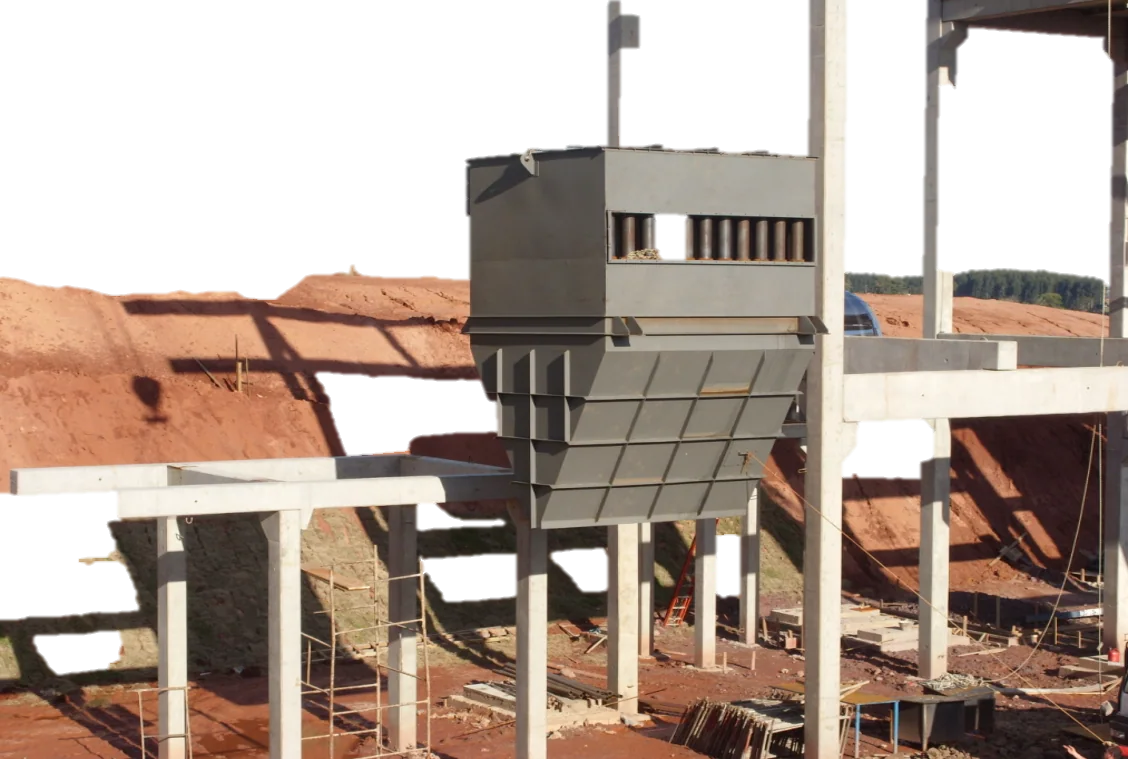
MULTICYCLONE PARTICULATE SEPARATOR

Multicyclone for biomass boiler stacks and dry particulate emission control.

The Steammaster multicyclone reduces ash and soot carryover in flue gases before the stack. It is designed for biomass, wood-fired and solid-fuel boiler systems that need a robust, dry and low-maintenance particulate separation stage.

DRY OPERATION BIOMASS STACKS

Why multicyclones belong in biomass boiler systems

A multicyclone is often the first practical emission-control stage for biomass boiler plants. It reduces particulate load before the stack and can also protect downstream equipment when the project requires a second filtration stage.

  • Dry operation, without process water.
  • Robust construction for industrial boiler duty.
  • Multiple cyclone elements for improved separation.
  • Suitable for new boiler packages or retrofit evaluation.
  • Can be integrated with ash handling and stack systems.

Simple operation with no filter bags in the main separation process.

Flue gases enter the multicyclone and are distributed through internal cyclone elements. The rotating flow forces heavier particles toward the walls, where they lose velocity and fall into the lower hopper.

The cleaned gas stream continues to the stack or to the next emission-control stage, depending on the final environmental requirement.

Multicyclone dry centrifugal separator reference image

Where it fits in the gas path

The equipment is normally discussed with ducts, induced-draft fan, stack, ash discharge and any final polishing stage, because each item changes pressure loss and layout.

When to discuss multicyclone

Bring the multicyclone into the conversation when the boiler burns biomass or solid fuel and the plant needs to reduce visible ash, soot or particulate carryover before the stack.

It is also recommended when the project needs a simple and durable pre-separation stage before a bag filter, wet scrubber or other final emission-control system.

Next recommended step

Share boiler capacity, operating pressure, fuel type, estimated gas temperature, available layout, stack arrangement and the required emission target so engineering can define the correct multicyclone configuration.