WET EMISSIONS-CONTROL SYSTEM

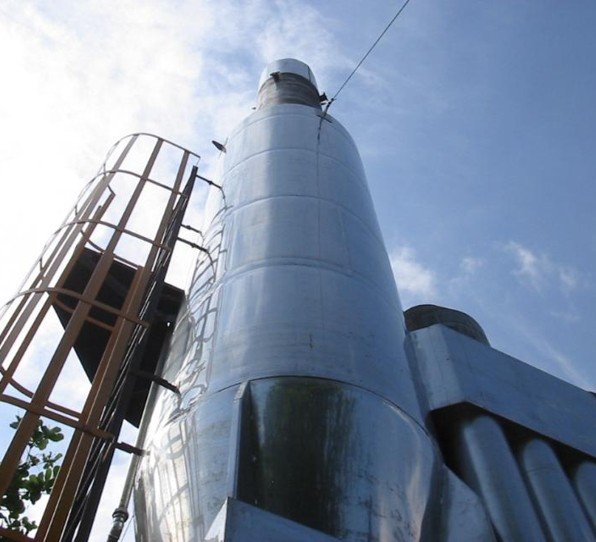
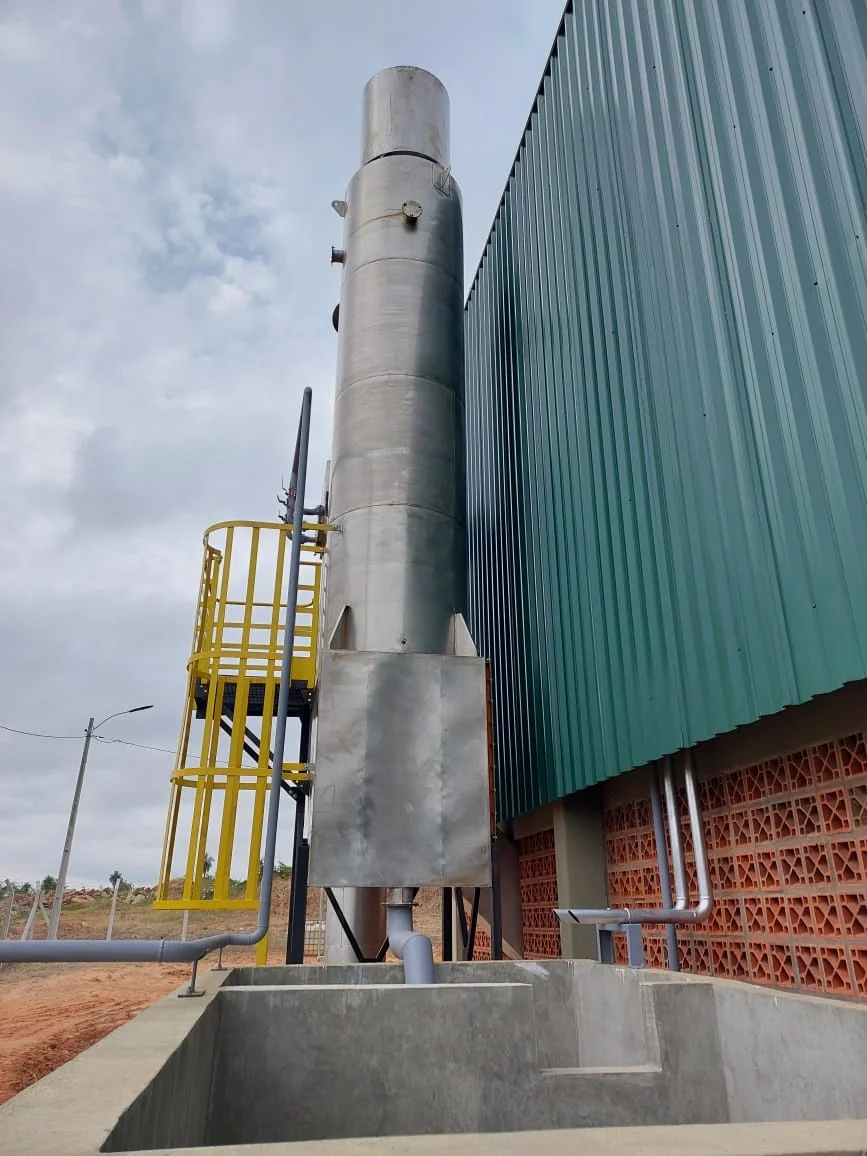
LG multi-venturi wet scrubber for cleaner boiler stacks, particulate capture, and support for acid-gas reduction.

The LG is a wet flue-gas cleaning package for applications where dust, sticky particles, higher gas temperature, or acid components make dry collection less attractive.

MULTI-VENTURI WET CAPTURE

A compact path when dust control also needs gas cooling and wet absorption potential

Wet scrubbers bring the gas stream into contact with water droplets. In boiler exhaust, that contact can capture dust, help agglomerate fine particles, cool the stream, and create a route for acid-gas treatment when the water chemistry is designed for it.

  • Useful for hygroscopic, sticky, or oily particles that may be difficult for dry collectors.
  • Can support SOx and acid-gas reduction when reagent, pH control, and effluent handling are included in the project.
  • The captured material leaves as wet sludge, which simplifies dust carryover but requires planned disposal.

What makes the Steammaster layout different

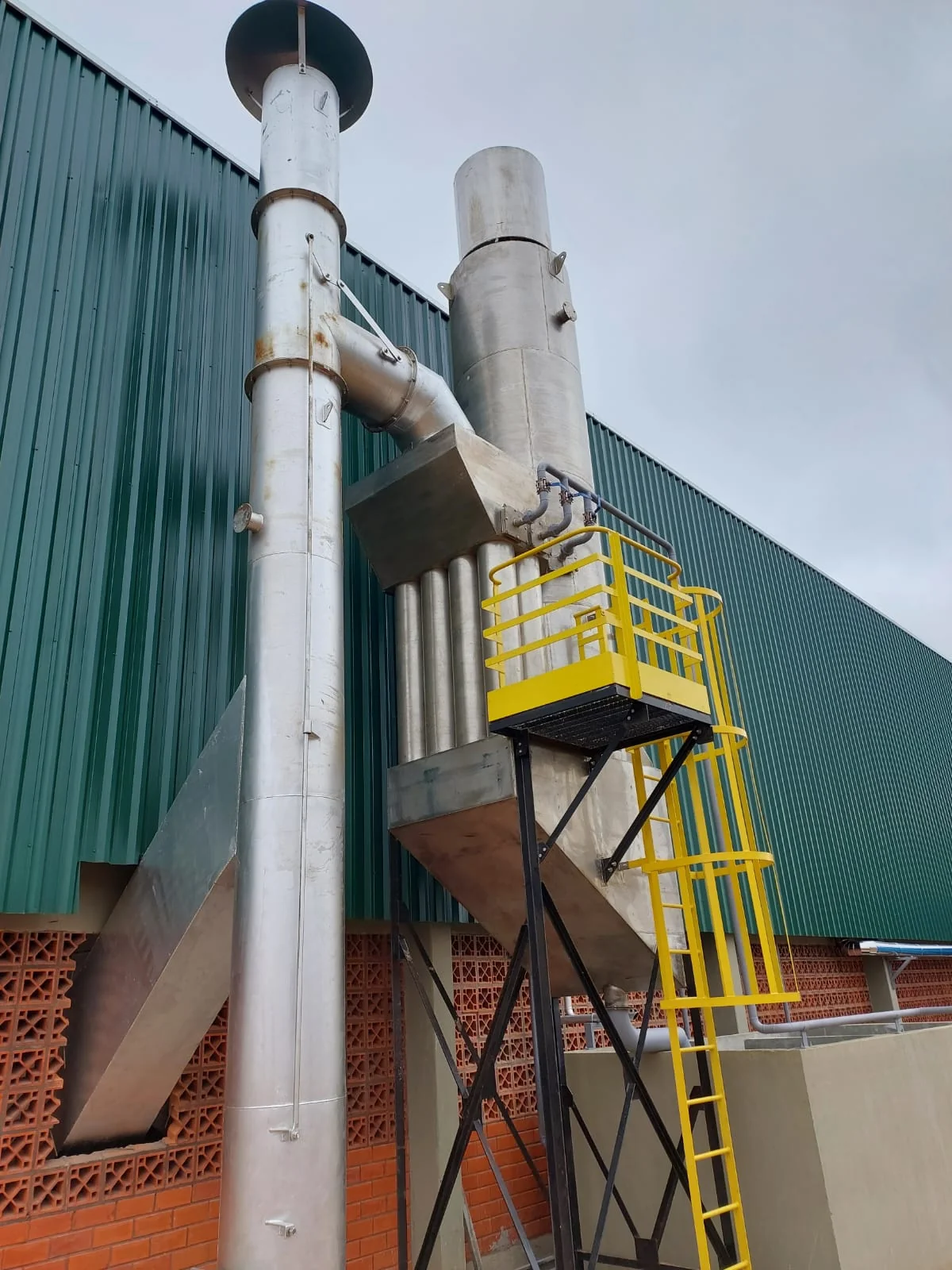
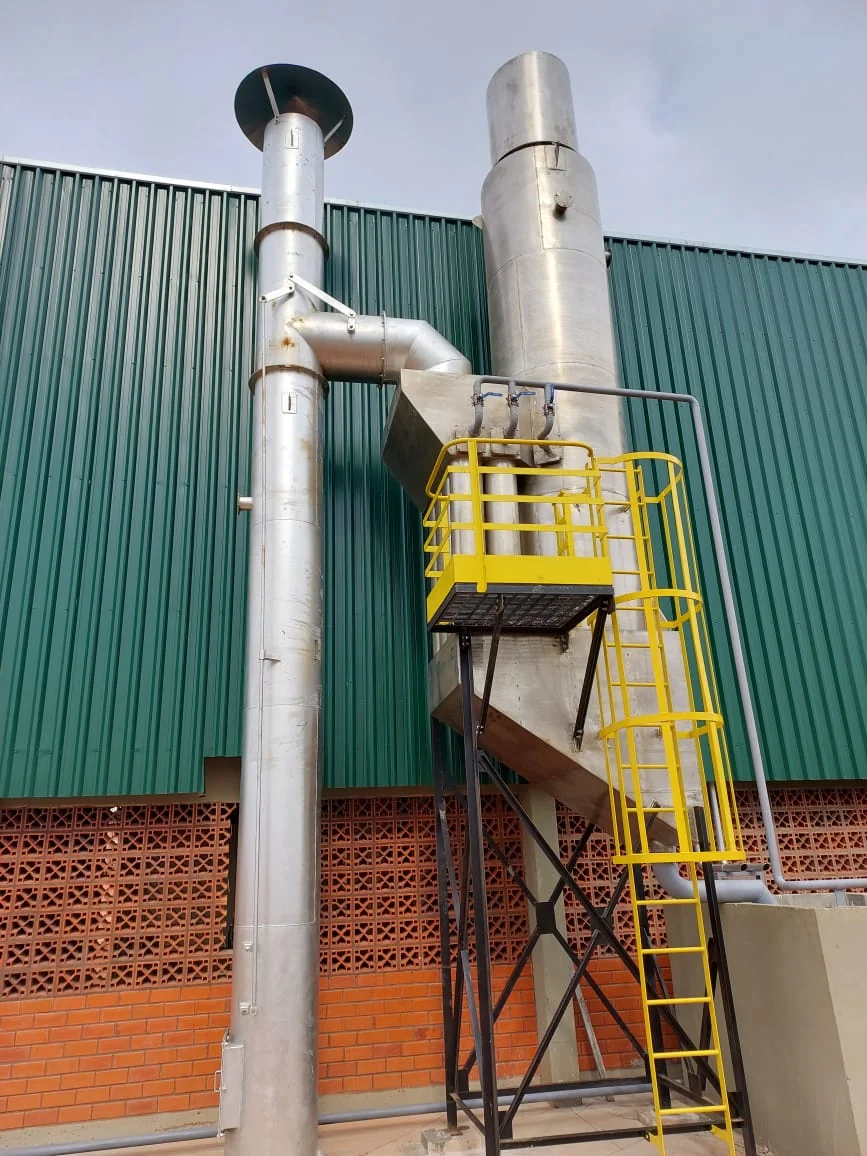
Classic venturi scrubbers often rely on high gas velocity and gas-side pressure drop to generate strong droplet-particle contact. The LG takes another route: several smaller venturi paths receive pre-formed sprays generated by the water pump.

  • One spray nozzle per venturi tube improves water distribution across the gas section.
  • The pump supplies the atomization energy, reducing the need to force all collection energy through gas pressure loss.
  • The compact body can be attractive in retrofit layouts where space around the boilerhouse is limited.

Where it helps the plant

The practical benefit is not only a cleaner visual stack. Lower particulate carryover can reduce local dust nuisance, help environmental licensing discussions, and protect downstream components from dirty gas.

  • Particulate capture for biomass, mixed fuels, and dusty exhaust streams.
  • Gas cooling before the cleaned stream leaves the system.
  • Potential acid-gas scrubbing route with the right wash-water chemistry.

Project points that must be defined

Scrubber performance depends on real gas flow, dust load, temperature, water quality, pressure limits, and the treatment route for the liquid discharge.

Gas and dust load

Flow, temperature, particle size, moisture, and expected concentration define the scrubber body and pump/nozzle set.

Water circuit

Water pressure, nozzle protection, recirculation, purge, and make-up need to be treated as part of the equipment.

Sludge and effluent

Captured solids leave the gas stream as wet residue, so discharge, neutralization, and final disposal must be planned.

Compliance target

The design should start from the emission limit, fuel, real operation, and whether SOx or other soluble gases are in scope.

When to choose the wet route

A wet scrubber should enter the discussion when the project wants particulate capture plus a practical path for gas cooling, sticky dust, acid components, or space-constrained retrofit around an existing stack.

Start with application data

Send fuel, boiler capacity, gas flow, temperature, current stack layout, visible dust condition, target limit, and whether acid-gas reduction is required.