EMISSIONS-CONTROL SYSTEM

FM-RENOVAR pulse-jet bag filters for lower particulate emissions, cleaner stacks, and stronger compliance in steam-generation plants.

Steammaster supplies low-emission fabric-filter systems for boilers and industrial gas-cleaning scope, especially where the buyer needs stronger particulate control, practical maintenance logic, and turnkey delivery.

LOW EMISSIONS PULSE JET

Why engineering teams bring bag filters into the boiler discussion

The catalog frames the bag filter as a practical answer when the buyer must reduce fine-particle emissions without losing commercial clarity around maintenance, operating continuity, and total project delivery.

  • A wire cage inside each bag prevents collapse during normal filtration.
  • Flue gas passes from outside to inside through the fabric, while the dust cake forms on the outer surface.
  • When buildup becomes excessive, short compressed-air pulses dislodge the cake and send it to the hoppers.

How pulse-jet cleaning works

The catalog keeps the operating explanation direct: filtration happens on the bag surface, but filtration cannot stay healthy if the dust cake is left there indefinitely.

  • Step 1: gas crosses the fabric and leaves solids on the outer side of the bag.
  • Step 2: the cake itself helps filtration, but too much accumulation raises resistance and differential pressure.
  • Step 3: controlled pulses through the blowpipe and orifice knock the cake into the hoppers for removal.
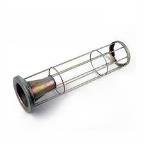
Metallic venturi used in each bag for pulse-jet optimization

Venturi and cage matter

The catalog calls out the metallic venturi because each bag uses it to optimize the flow of the cleaning pulse. The wire cage and the venturi are not accessories: they are part of the filter performance logic.

That is why maintenance discussion should include fabric condition, cage integrity, venturi fit, compressed-air quality, and the condition of the discharge hoppers.

FINE PARTICLE CONTROL

Fine particles are not just a stack issue. They are an air-quality and operating-permission issue.

The catalog frames fine-particle removal as a practical environmental gain: lower particulate release, cleaner local air, and a stronger path to meet emission limits around industrial steam generation.

Why bag filters usually win this comparison

The catalog compares the bag-filter route with ESP mainly through investment, electricity consumption, and fine-particle control.

30% less capex

Catalog comparison against ESP for typical industrial boiler applications.

60% less electricity use

Lower auxiliary power demand is one of the commercial reasons the buyer often prefers the bag-filter route.

60% less fine-particle emission

The catalog positions the bag filter as the more effective route when harmful fine particles are the real concern.

Cleaner air around the plant

That makes the filter relevant not only for compliance, but also for everyday industrial environment quality.

Turnkey delivery and lifecycle

The catalog explicitly frames the filter as a turnkey delivery. After startup, operation and maintenance can be optimized through a continuous maintenance agreement.

  • Typical bag replacement interval without traumatic events: 2 to 5 years.
  • Other components are renewed according to the maintenance program.
  • With proper maintenance, the useful life can reach 30 years.
Flat industrial bag filter sleeve reference

Fabric media and buyer FAQ

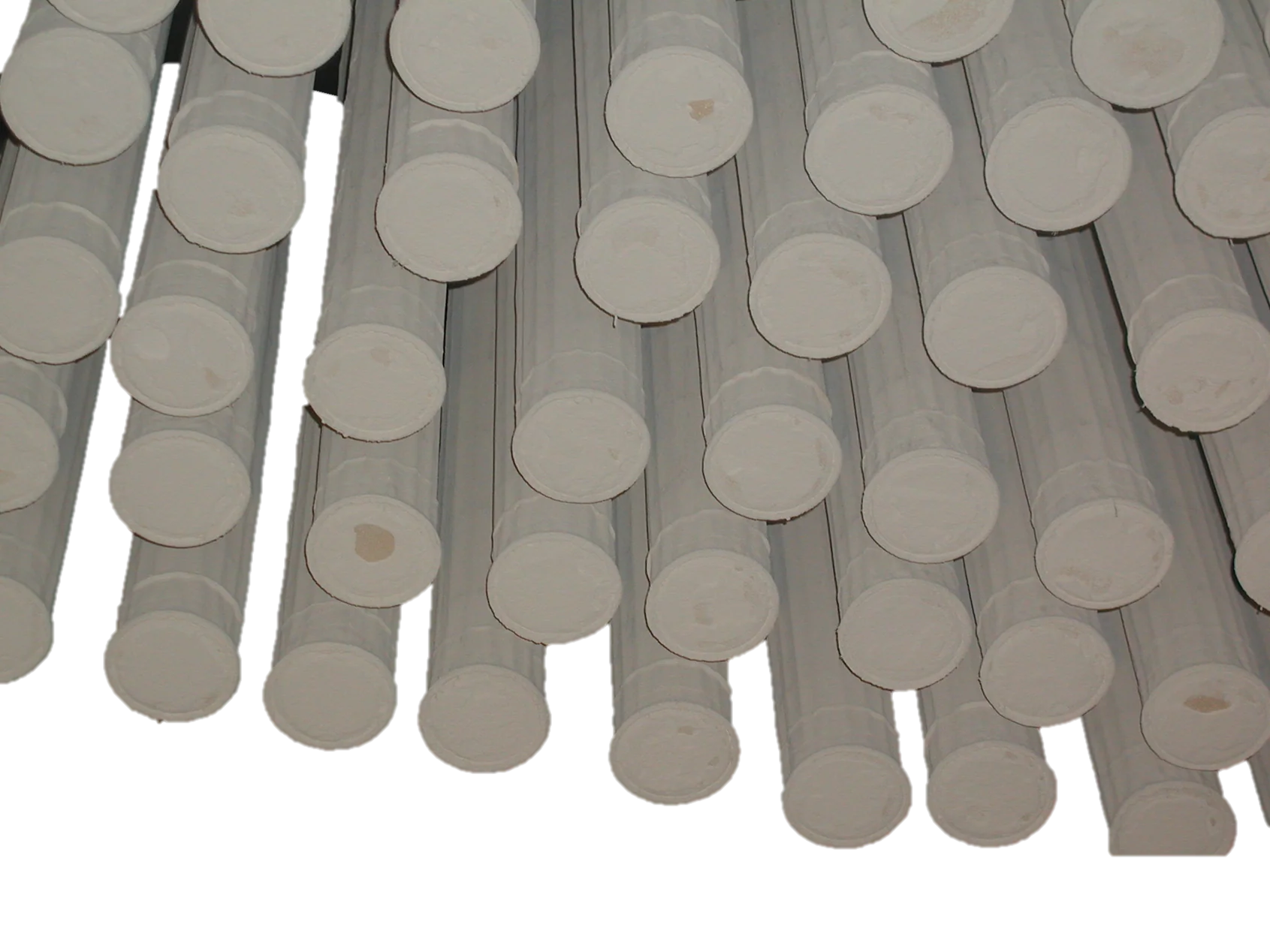
  • A bag is the fabric sleeve that separates dust from the gas stream inside the filter.
  • Typical media include needle felt and synthetic-fiber fabrics, selected according to duty.
  • Common application areas include steel, cement, incineration, and steam-generation boilers on fossil fuels and biomass.

What happens when the filter is undersized

The catalog is direct here as well: if the filter is too small, differential pressure rises even when the pulsing system is already working as fast as it can.

  • Airflow through the system becomes blocked.
  • The fan can no longer pull the gas properly through the air chamber.
  • Boiler production is reduced.

When to bring this into the project discussion

Bring the bag filter into the project conversation when emissions are not a side topic anymore, when the boiler scope already needs particulate control, or when the buyer wants a cleaner long-term route than simply pushing solids downstream.