FEEDWATER COMPONENTS

DSM and DSM-CD deaerators for lower corrosion risk, steadier boiler response, and stronger feedwater discipline.

Steammaster deaerators physically remove dissolved O2 and CO2 in two stages, reduce thermal shock, and protect the feedwater side before corrosion starts propagating through the entire steam island.

Feedwater Protection ASME Construction

Why engineering teams specify deaeration early

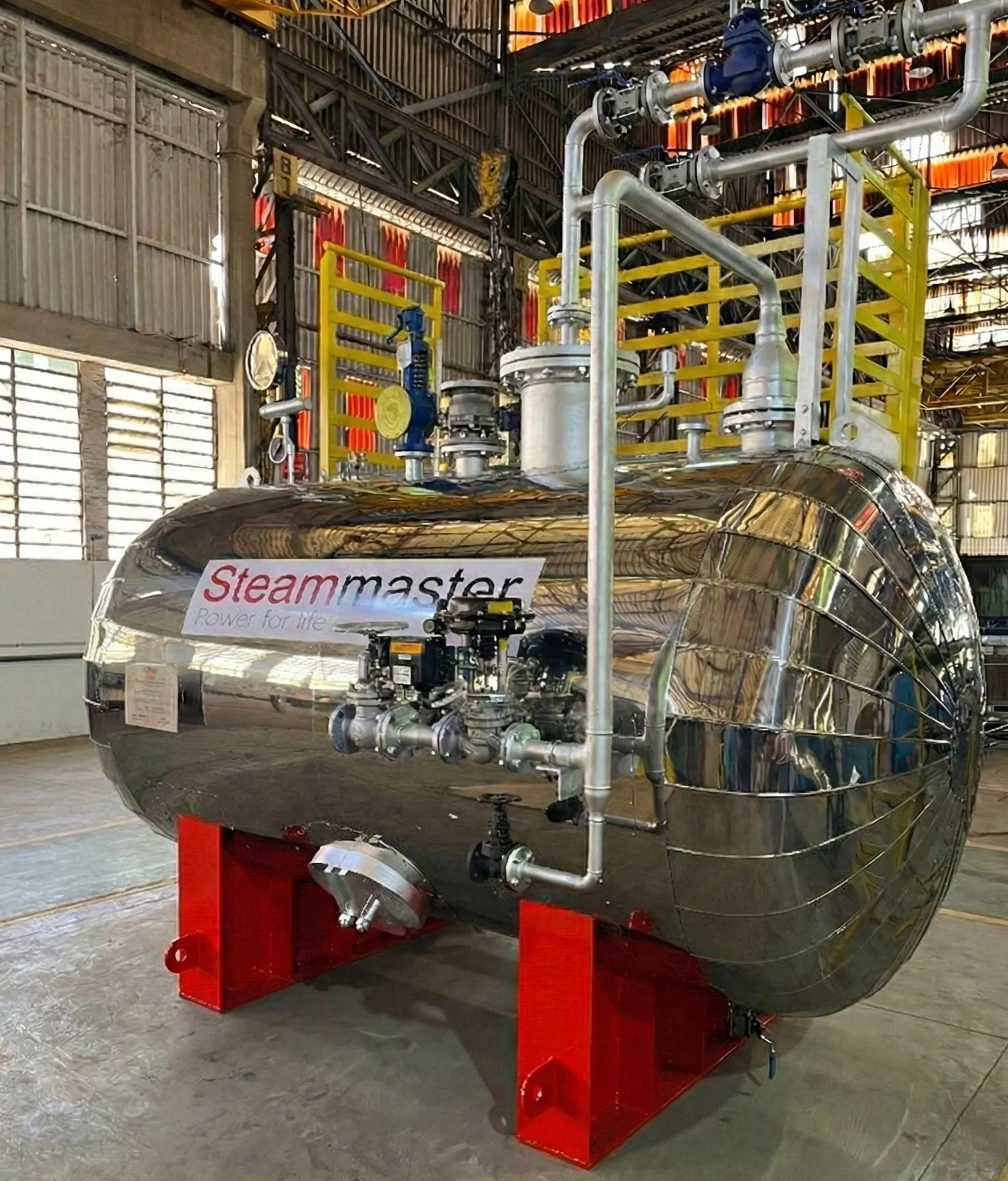
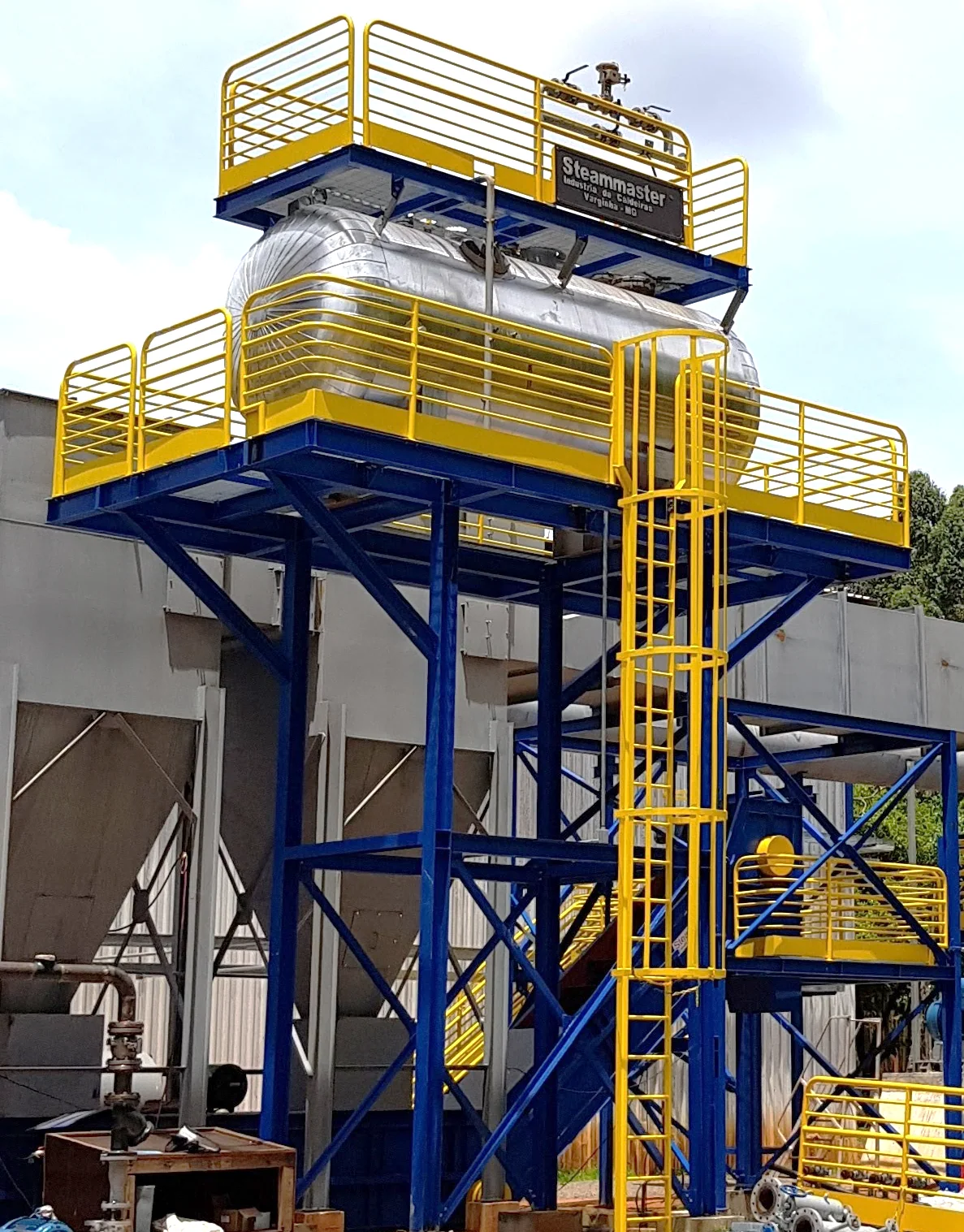
At first glance the main visible difference is the absence of a traditional vertical tower. In practice, that means the deaeration technology is organized inside the vessel, with a cleaner horizontal package for the boilerhouse water side.

  • Preheating section in stainless steel raises the feedwater close to saturation temperature before final deaeration.
  • Low-pressure steam is injected through the internal sparger at the vessel bottom, creating the intense scrubbing stage.
  • The same platform can be supervised by the boilerhouse control system or by a dedicated PLC integrated into SCADA.
What the catalog treats as core operation

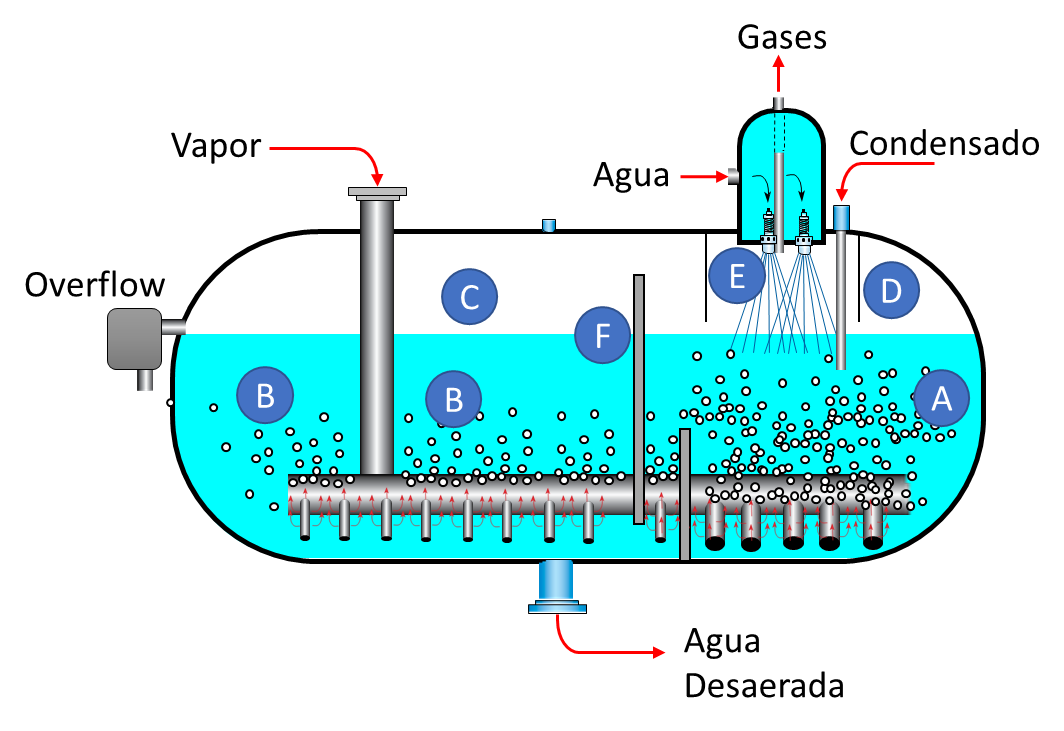
Physical deaeration happens in two steps. Feedwater is first preheated in the spray section, then it flows to the final scrubbing zone where high-speed low-pressure steam intensifies gas removal.

  • Removed gases leave through the vent at the top of the vessel.
  • Large units can include vent-condensing logic to recover entrained water.
  • Deaerated water is pumped from the bottom of the vessel back into the boiler steam-generation routine.
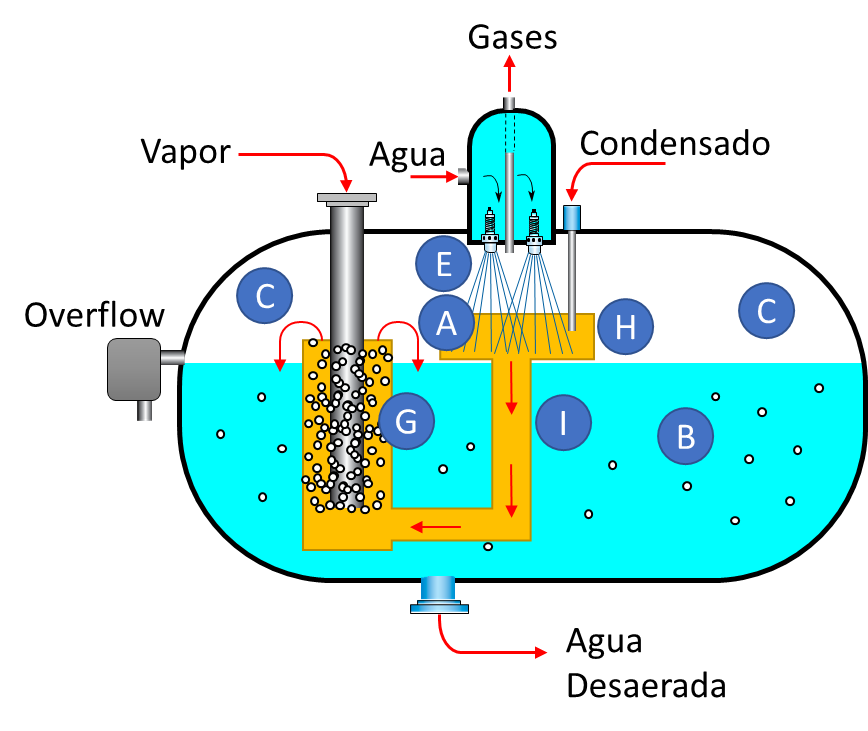
DSM-CD deaerator operating diagram

Process reading for the water side

For the buyer, the practical reading is simple: water enters, steam conditions the vessel, dissolved gases are vented, and conditioned water leaves the bottom ready for the feed pumps.

FEEDWATER DISCIPLINE

The boiler only performs as well as the feedwater logic around it.

Teams usually evaluate deaeration when corrosion risk, condensate return, temperature stability, and boiler lifecycle start to influence cost and operating confidence more than simple equipment price.

Why a deaerator matters

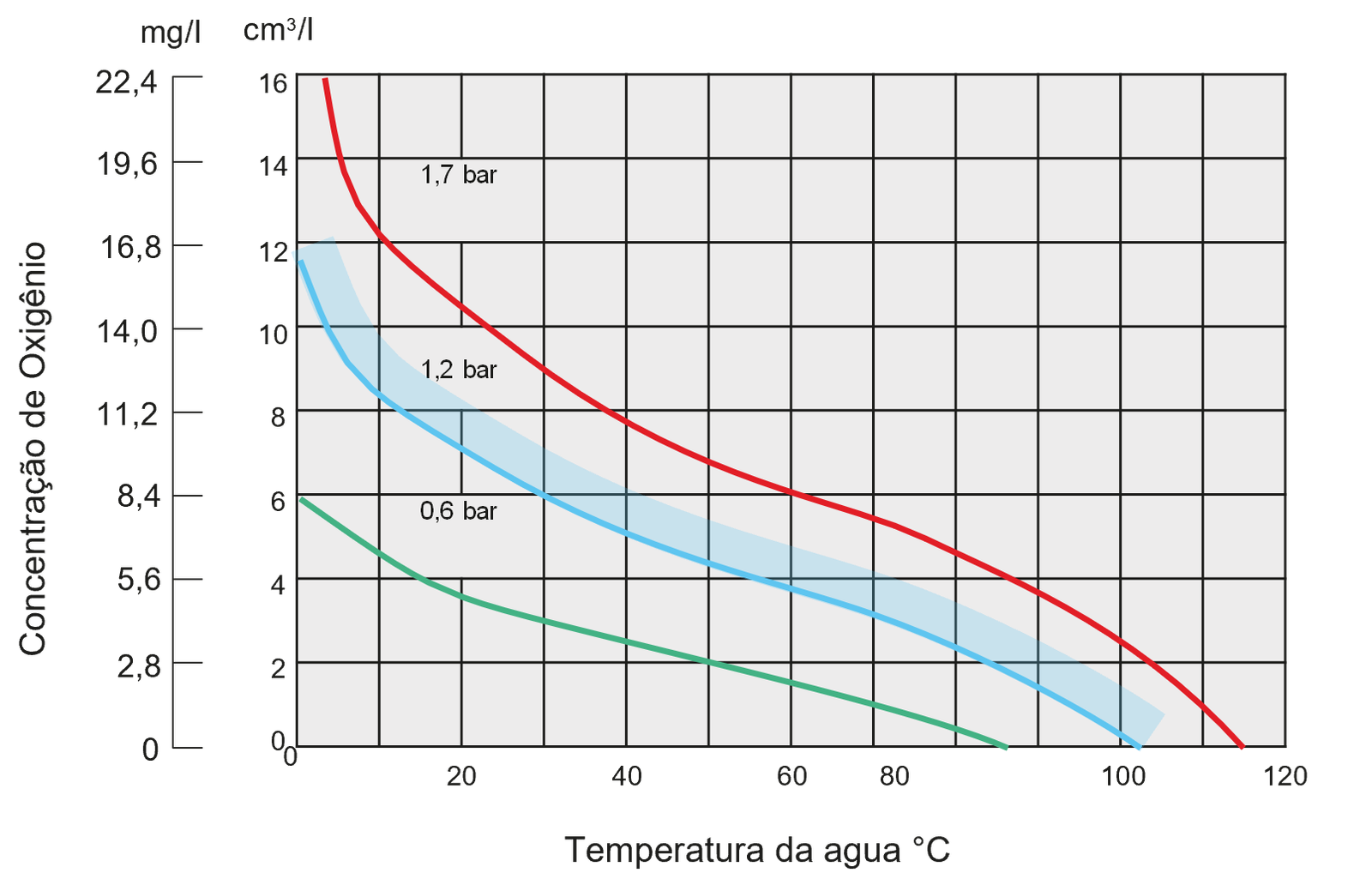
As water temperature rises, gas solubility drops. That is the basic physical logic behind deaeration: remove the corrosive gases before they keep circulating through pressure equipment and steam generation assets.

  • Better protection for tubes, vessels, feed pumps, and water-side auxiliaries.
  • Reduced thermal shock and more stable feedwater condition entering the boiler.
  • Potential energy savings in return-condensate systems with flash-steam conservation.

Oxygen concentration versus water temperature

The chart below helps explain why deaeration becomes more effective as the feedwater approaches saturation temperature.

Oxygen concentration versus water temperature chart for deaeration context

How DSM and DSM-CD work

Physical deaeration in two stages, without forcing the buyer into an unnecessary vertical-tower architecture.

1. Preheating section

Feedwater is sprayed through stainless nozzles and preheated by rising steam until it approaches saturation temperature.

2. Intense scrubbing

Low-pressure steam is injected at high speed, increasing contact area and friction with water to maximize dissolved-gas removal.

3. Final polishing and storage

Remaining gases leave through the vent, while deaerated water is stored and prepared for the feedwater pumping routine.

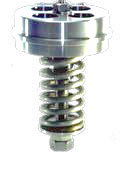
Steammaster spray nozzle reference

Spray nozzle geometry

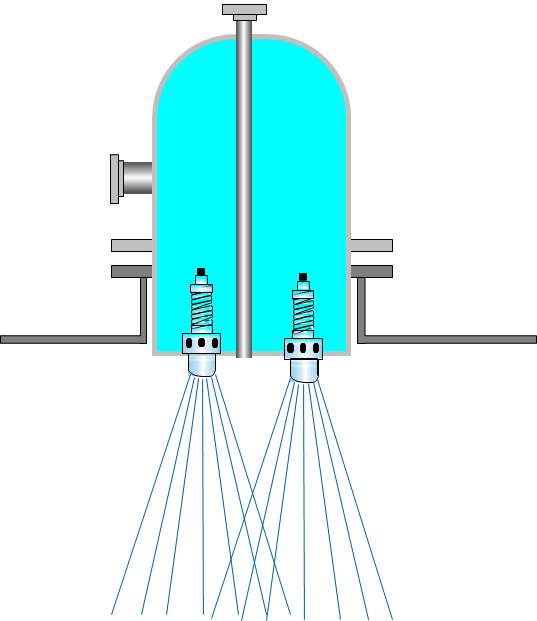
The catalog treats the spray nozzle as a key performance point because it multiplies contact area between water and steam inside the deaeration section.

Why the spray stage matters

The spray nozzle design dramatically increases the contact area between water and steam. That contact area is one of the key reasons the deaerator can operate efficiently across a broad capacity range.

Spray head access reference inside deaerator

The catalog also emphasizes easy inspection access: the spray section is arranged to support checking and intervention without turning a routine maintenance task into confined-space work.

Available versions

Tray section and dual-chamber arrangements: the same deaeration logic, but adapted to different capacity bands and control expectations.

DSM
DSM deaerator diagram with internal flow arrangement

DSM tray-and-spray

Reference capacity from 7,500 to 50,000 kg/h, with single-vessel horizontal arrangement and practical maintenance logic.

  • Steam inlet
  • Makeup water inlet
  • Condensate return inlet
  • Gas vent
  • Overflow protection
  • Deaerated water outlet
  • Main deaeration section
  • Final polishing section
  • Spray nozzles in stainless steel
  • Strong fit for medium-scale steam houses
DSM-CD High Capacity
DSM-CD deaerator diagram with dual chamber arrangement

DSM-CD dual chamber

Reference capacity from 60,000 to 200,000 kg/h, with dual-chamber arrangement for larger duty and stronger control integration.

  • Steam inlet
  • Feedwater inlet
  • Condensate return inlet
  • Gas vent
  • Dual deaeration zones
  • Deaerated water outlet
  • Expanded preheating and scrubbing volume
  • Electronic level and pressure control
  • Ready for PLC / SCADA discussion
  • Best fit when output scale raises water-side risk

Diagram legend

The catalog uses the internal letters below to identify the deaeration zones and functional parts visible in DSM and DSM-CD.

A
Main deaeration section
B
Final deaeration section
C
Steam space
D
Spray protection
E
Spray nozzles
F
Section separator
G
Intense bubbling section
H
Tray section
I
Tray downpipe

External connections visible on the drawings

The diagrams already show the practical interface points the project team needs to discuss around the vessel.

  • Steam inlet for thermal conditioning
  • Feedwater / makeup water inlet
  • Condensate return inlet
  • Vent / gas outlet
  • Overflow protection point
  • Bottom outlet for deaerated water

Benefits

The economic case for deaeration usually appears in reliability, corrosion control, maintenance discipline, and energy balance.

Lower corrosion exposure

Reduces dissolved gases that attack pressure equipment, piping, and feedwater auxiliaries.

Lower energy waste

Can conserve flash steam in high-condensate-return scenarios, with savings references up to 14%.

Minimal maintenance logic

Robust arrangement without dependence on fragile float logic, using electronic control for water level and pressure.

Longer lifecycle confidence

Better feedwater behavior supports the lifecycle of boilers, vessels, pumps, and the broader steam island.

Control package

Water level control is based on sensor and electronic controller generating 4 to 20 mA signal for modulating makeup-water control. Vessel pressure is managed through an electronic modulating logic as well.

Construction discipline

Direct water-contact areas use stainless steel references. Thermal insulation uses 50 mm rock wool, protected by stainless steel sheet in the outer layer.

ASME reference

Steammaster holds ASME references for pressure-equipment scope, and deaerator construction follows that pressure-vessel discipline.

Reference specifications

Reference data at 0.4 barg operating pressure, subject to project confirmation.

DSM

  • Reference capacity: 7,500 to 50,000 kg/h
  • Operating pressure: 0.4 barg
  • Output temperature: 105 C
  • Residual O2: under 7 ppb
  • Storage reference: 20 minutes

DSM-CD

  • Reference capacity: 60,000 to 200,000 kg/h
  • Operating pressure: 0.4 barg
  • Output temperature: 105 C
  • Residual O2: under 7 ppb
  • Storage reference: 20 minutes
1.2 bar abs.

Working absolute pressure reference

105 °C

Typical operating temperature

4-20 mA

Electronic control signal reference

50 mm

Rock-wool insulation reference

When to bring this into the discussion

Bring deaeration into the project conversation when condensate return is meaningful, corrosion risk is visible, startup stability matters, or the buyer wants to protect the lifecycle value of the boilerhouse instead of only the first equipment invoice.

Next step

Share feedwater routine, condensate return profile, storage expectation, control preference, and boilerhouse constraints so the Steammaster team can indicate the right deaeration route.