OIL AND GAS COMBUSTION AUTOMATION

SteamLogix-OG integrates combustion safety and efficiency.

SteamLogix-OG connects boiler or thermal-fluid heater, burner, heat-recovery equipment, field devices and operator interface so fuel-air ratio, safety interlocks, diagnostics and plant supervision work as one engineered system.

What the automation package controls

The brochure material is organized here as an engineering page: safety, combustion precision, operating cost, connectivity and field devices.

Safe sequencing

Start-up, operation and shutdown logic for igniters, main burners, flame supervision and permissives.

Fuel-air precision

Independent servomotors and electronic ratio control help make combustion points repeatable.

Efficiency routes

O2 trim, higher turndown, DVS fan control and second PID logic support lower fuel and power use.

Plant visibility

HMI, Ethernet, event history, trends and supervisory communication keep information close to operation.

BMS O2 trim DVS Plant Master

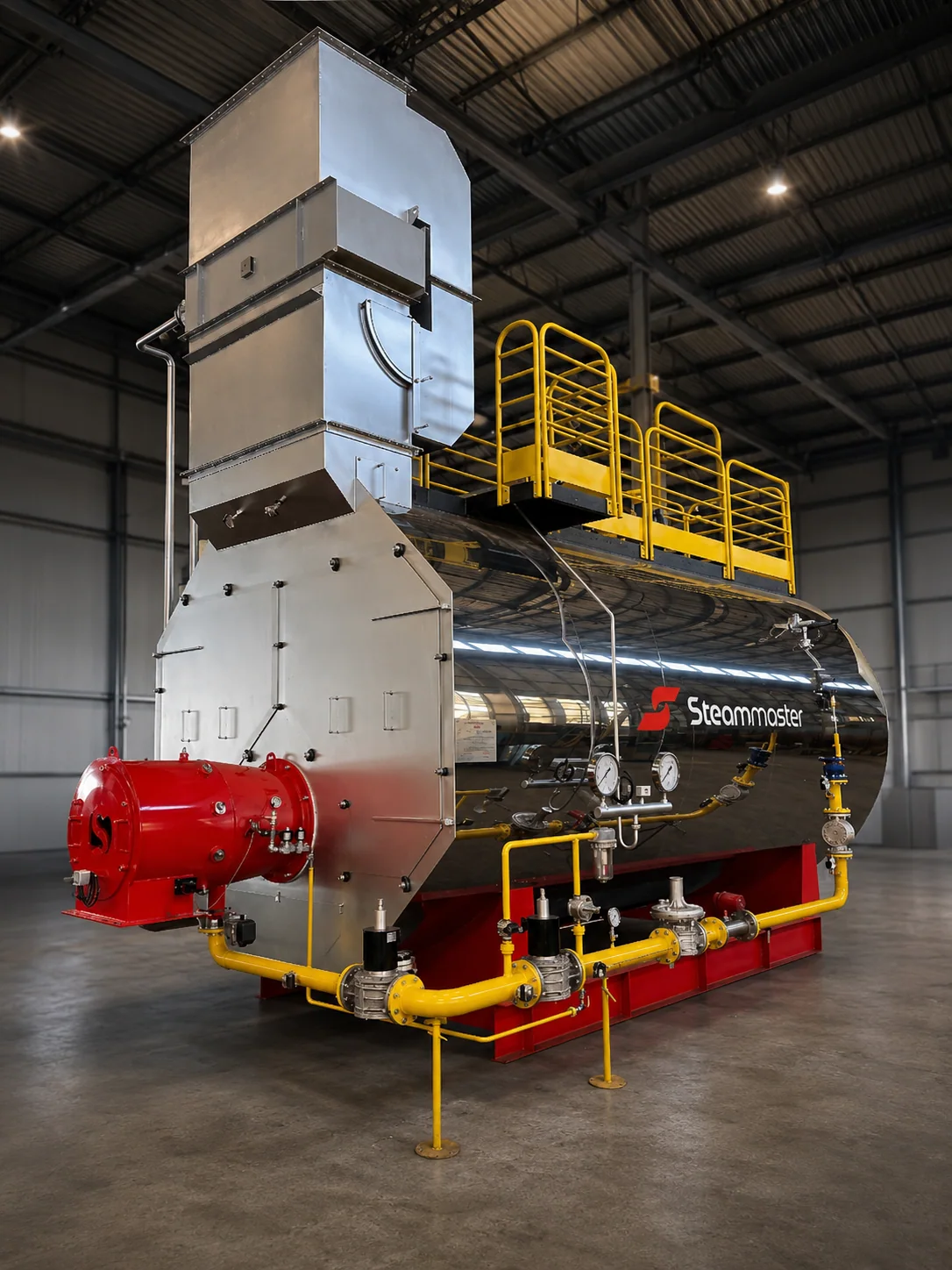
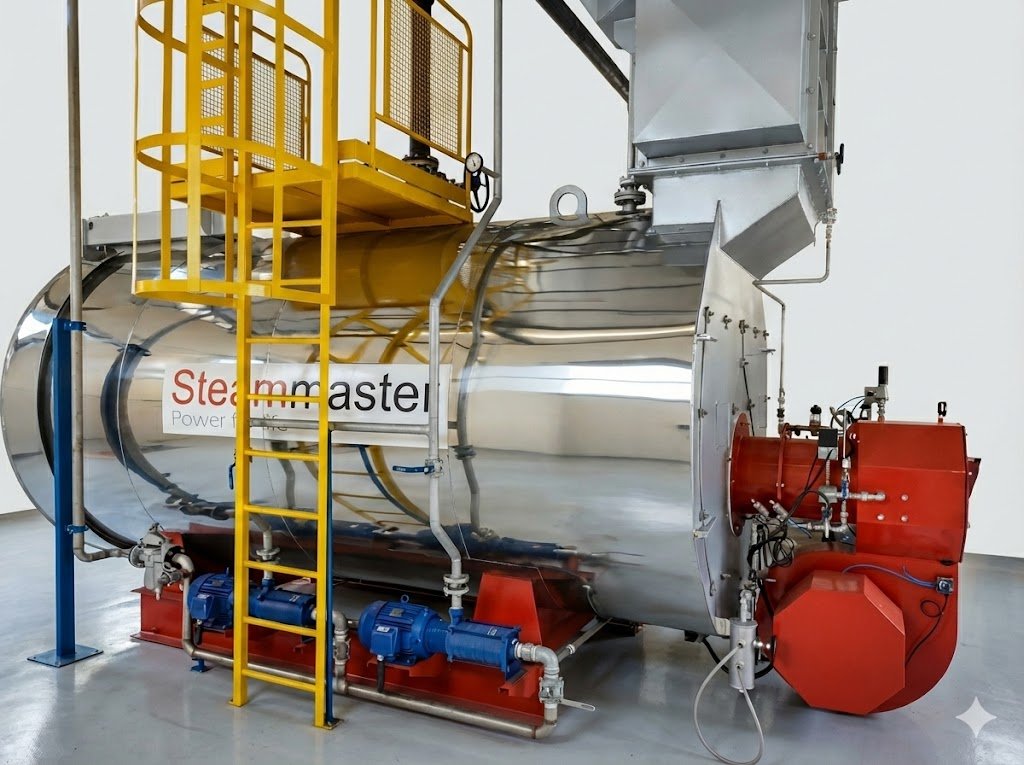
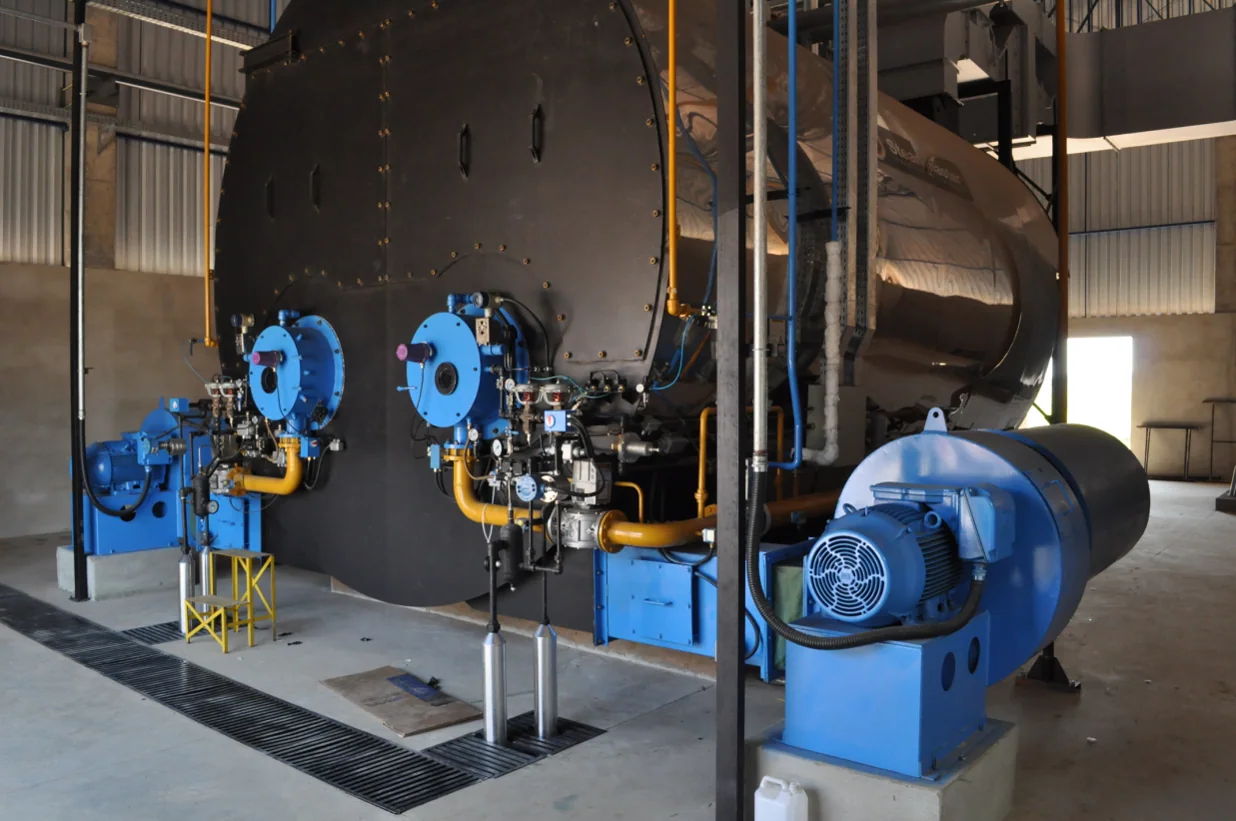
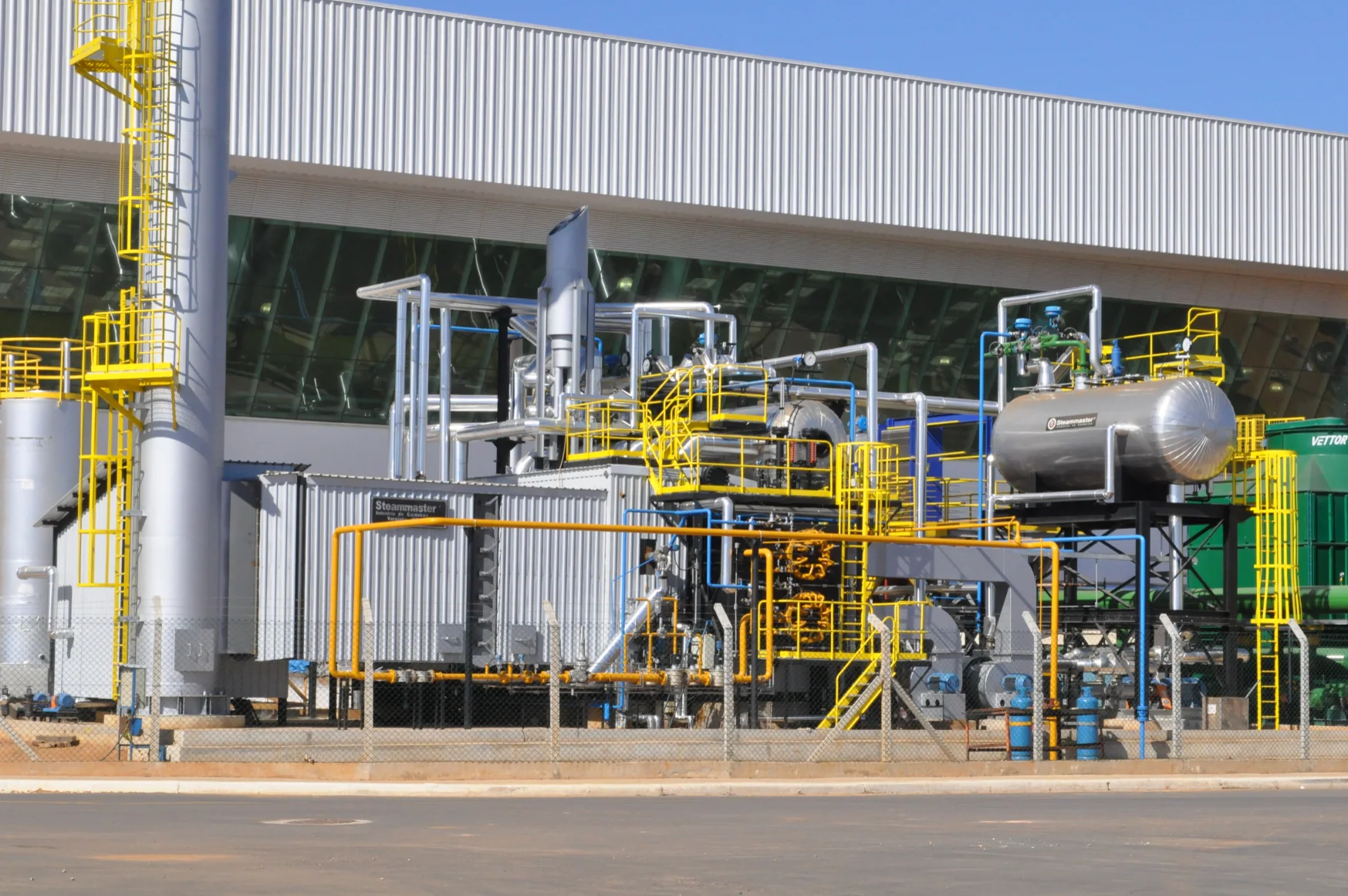
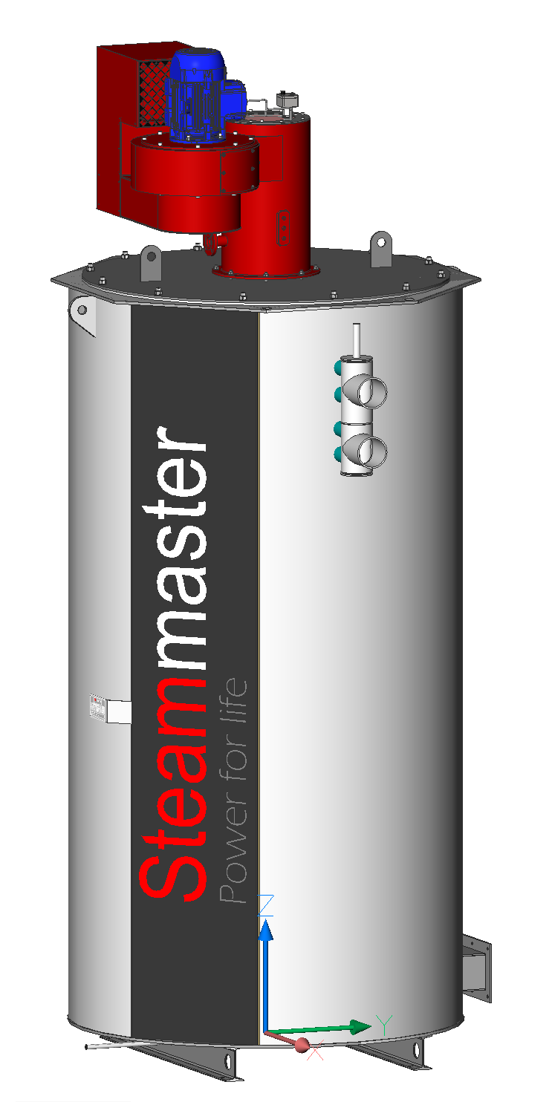
SteamLogix-OG is the control platform for the Steammaster oil and gas portfolio.

Boiler or thermal-fluid heater, burner, heat recovery and controls are engineered to work together. The same SteamLogix-OG architecture is adapted to each equipment configuration to support efficiency, emissions control, availability and operating cost.

  • The architecture covers different oil and gas equipment arrangements, from compact packages to high-output boilers and thermal-fluid systems.
  • The technical-commercial proposal defines what sensors, HMI options, communications and certified safety functions are included.
COMPATIBLE OIL AND GAS PLATFORMS

One automation architecture for the Steammaster oil and gas portfolio.

The final SteamLogix-OG configuration is adapted to the burner quantity, fuel route, controlled variable, safety scope and communication requirements of each platform.

VaporMax

Integrated firetube steam package with heat recovery and combustion management.

Open VaporMax

DF

Dual-furnace high-output steam platform with coordinated burner control.

Open DF

VMO-S

Saturated-steam firetube platform with dedicated modulation and flame supervision.

Open VMO-S

JPO

Water-tube platform for demanding pressure and superheated-steam projects.

Open JPO

FTN-OG

Thermal-fluid heating platform with temperature-based combustion control.

Open FTN-OG

Burner management and certified safety logic.

The SteamLogix-OG BMS is responsible for safe start-up, operation and shutdown sequencing. It supervises igniters, main burners, flame detection, pressure or temperature permissives and fuel-train checks according to the project scope.

  • Designed around NFPA 85/86 and EN 50156-1 references when applicable to the project.
  • SIL 3 / TUV certified burner-management options may be specified for special applications.
  • Gas leak detection, valve tightness proving, flame supervision and modulation can be included by configuration.

Electronic fuel-air ratio control.

Instead of mechanical linkages, independent servomotors position combustion-air dampers, gas valves, oil metering and other devices. The brochure reference states positioning precision of 0.1 degree.

  • Fewer mechanical clearances and less hysteresis in the combustion profile.
  • Repeatable setpoints support efficiency, emissions and commissioning discipline.
  • Mixed-fuel profile options can prioritize one fuel over another according to availability.

Energy and emissions reduction paths

The catalog frames savings as combined effects. Final results depend on burner size, duty cycle, fuel, oxygen target, stack condition and commissioning.

Up to 1% from linkage-free control

Electronic positioning reduces the loss of repeatability associated with arms, rods and worn joints.

Higher turndown

Reducing unnecessary burner start/stop cycles also reduces purge losses and operational disturbance.

Second PID logic

Internal modulation loops can help adapt pressure or temperature demand during low-load periods.

O2 trim

With oxygen sensing and control, the burner can operate closer to the intended excess-air target over time.

DVS air-flow control reference component

DVS fan control reduces wasted air pressure.

At partial load, a conventional damper can waste fan pressure. DVS varies combustion-air fan speed according to required burner output, reducing electric consumption and noise. The catalog references 40% to 50% electrical savings proven in real operating environments, and up to 80% fan-energy savings depending on condition.

Low-NOx thinking starts with flame temperature and oxygen.

NOx formation is influenced by nitrogen, oxygen and high-temperature residence time in the flame. SteamLogix-OG supports a more disciplined combustion profile and can be combined with low-NOx burners, oxygen trim and project-specific flue-gas strategies.

  • The O2 probe uses zirconia-cell measurement with temperature-controlled stability.
  • Catalog reference: reducing excess O2 can increase efficiency by 1% to 5%, depending on process temperature and real combustion condition.
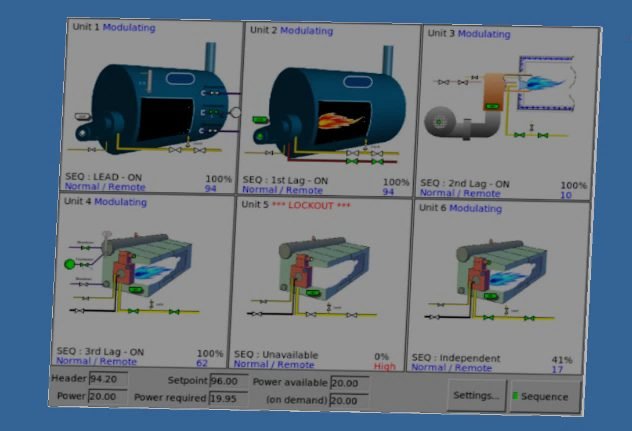
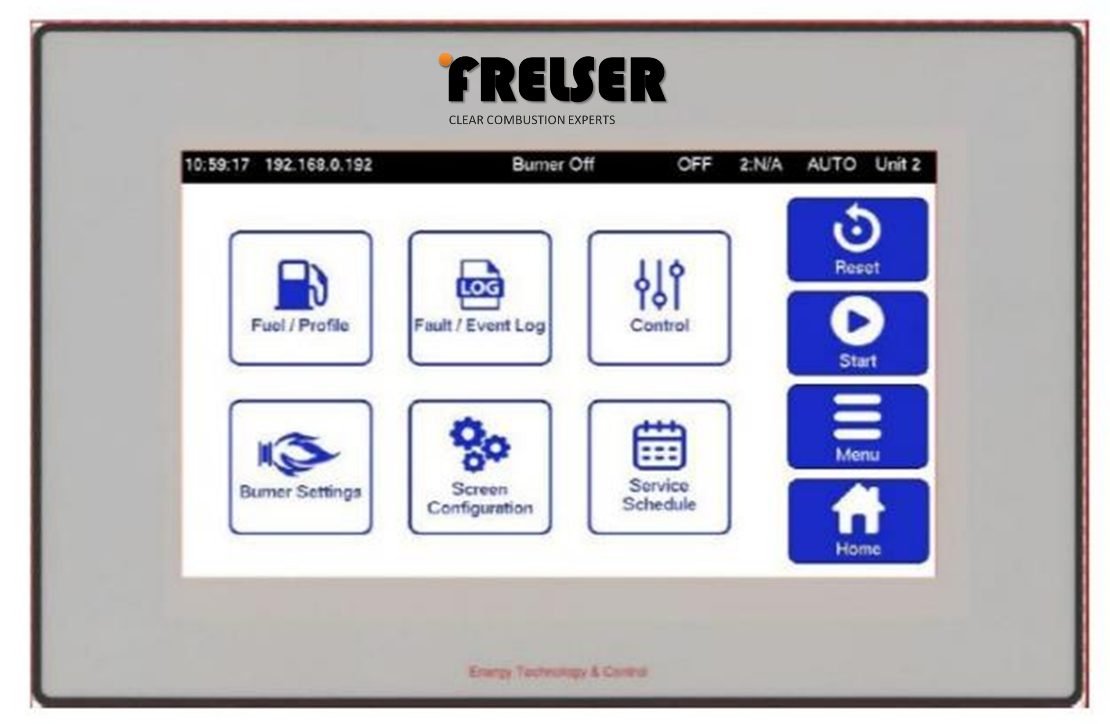
SteamLogix-OG 10.4 inch HMI interface

HMI, remote access and operating records.

The 7 inch and 10.4 inch HMI options organize visualization, control and communication. With Ethernet, plant users can access the interface from the local network; external access depends on the customer's IT release.

HMI feature set

  • Touchscreen TFT panel, intuitive operation and offline help functions.
  • Password-protected commissioning and operator modes.
  • Automatic backup and restoration of system parameters and combustion profile points.
  • Real-time data logging, graphical trends, alarm history and event history.
  • USB for local software updates and data handling, depending on configuration.

Communication and multi-boiler supervision

SteamLogix-OG connects burner controllers, displays, servos and sensors through CANbus, with plant integration through RS485, Modbus RTU, Profibus DP and Ethernet according to scope.

Modbus RTU

Supported through RS485 terminals; typical configuration uses 8 data bits, no parity and CRC packet integrity.

Profibus DP

External Profibus interface can be specified where the plant supervisory architecture requires it.

Plant Master

With the 10 inch HMI option, Plant Master can connect up to 10 SteamLogix-OG-equipped burners or units and match total production to load in one PID loop.

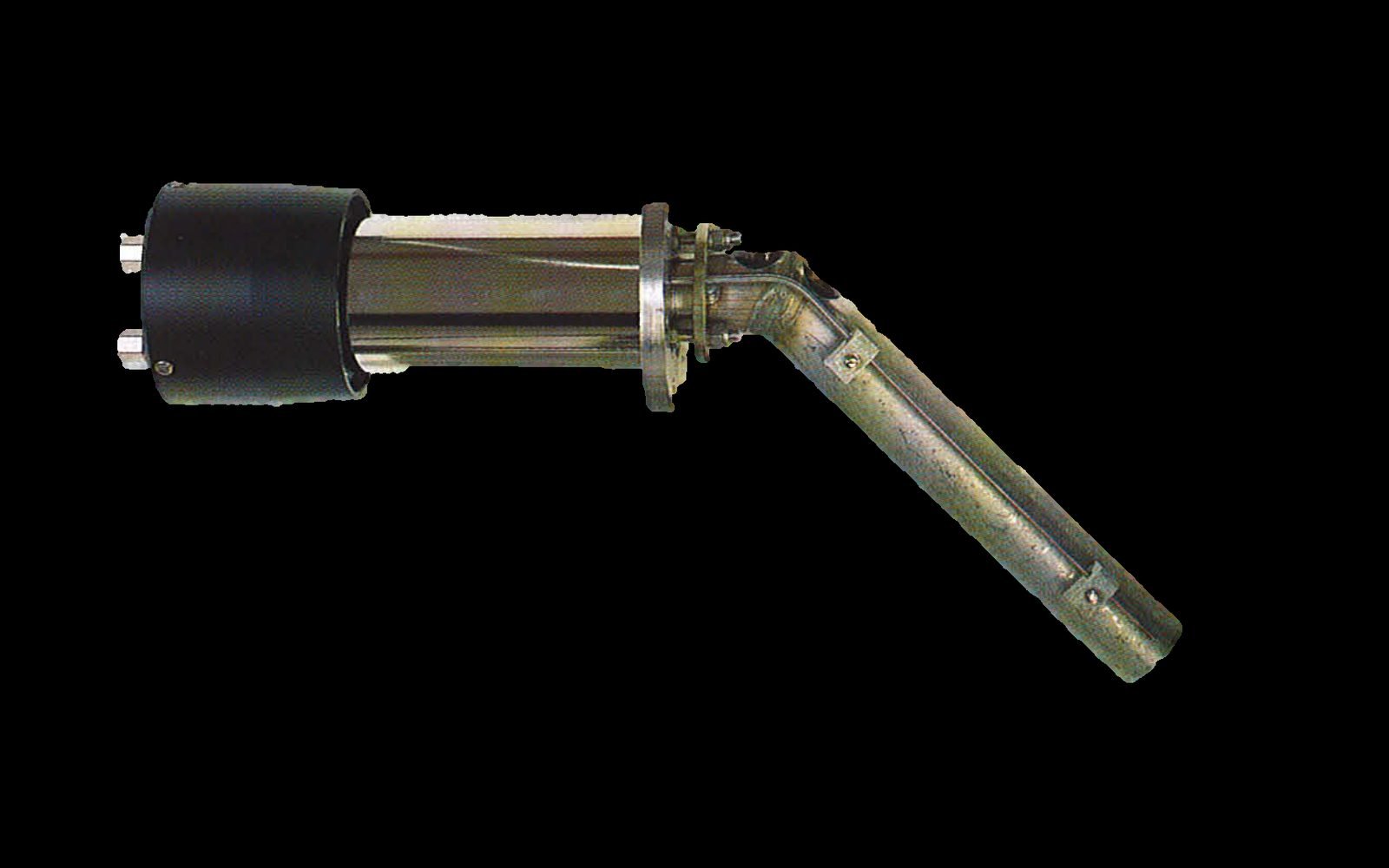
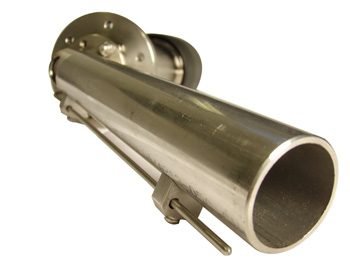
SteamLogix-OG flame sensor reference

Flame supervision

Broadband flame detectors are used for intermittent operation, while optional autocheck flame detection supports continuous unattended operation where local regulation allows.

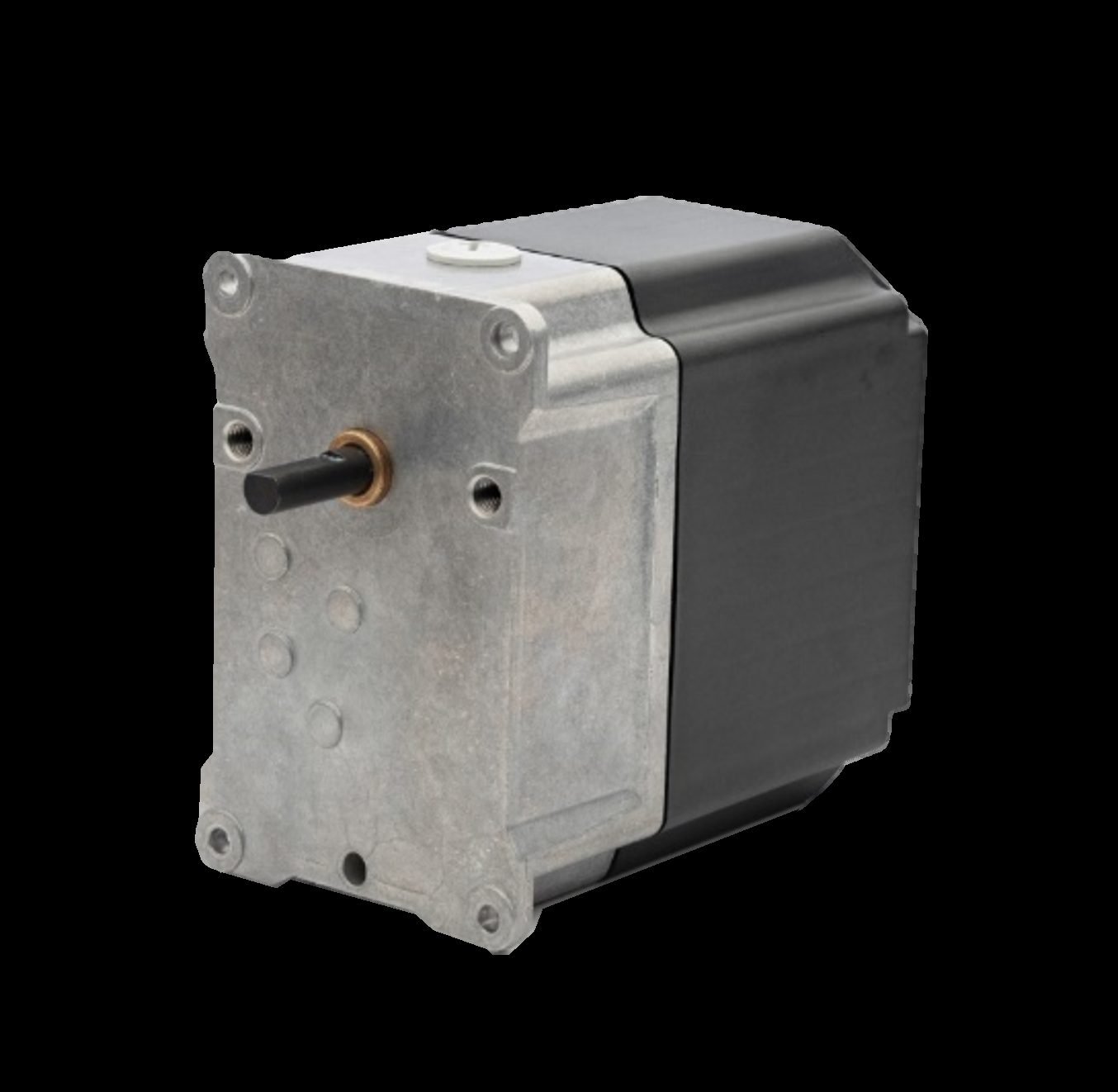
SteamLogix-OG rotary actuator

Rotary actuators

CANbus rotary actuators position fuel valves, air dampers, FGR and related devices with intelligent fault reporting and unique serial identification.

SteamLogix-OG automation system overview

System overview

Typical signals include flame sensor, inverter, combustion air, oil flow, gas, second gas, biogas, atomization, oil pressure, FGR and O2 sensor control.

What to define in the proposal

Some sensors, HMI sizes, certification levels and communications are options. They should be confirmed in the technical-commercial proposal according to fuel, legal requirement, plant integration and operating philosophy.

Next recommended step

Share fuel route, burner capacity, pressure or temperature control target, turndown expectation, O2 target, HMI preference, communication protocol and whether Plant Master or remote access is required.