Emissions and Compliance

Emission reduction routes built around compliance, combustion stability, and operating accountability.

Steammaster approaches emissions work as an industrial operating problem, not only as a hardware add-on. The right route usually combines combustion review, burner strategy, heat recovery logic, and documentation discipline.

EMISSIONS PATH

Emissions projects are usually won by system logic, not by one isolated device.

Use this page to compare the real decision path: combustion strategy, equipment upgrades, control logic, validation records and lifecycle support needed to keep the plant compliant over time.

Platform Compliance Scope

Reference architecture for compliance-driven steam system upgrades.

Use this page to align emissions targets, combustion changes, documentation needs, and operating implications before narrowing the final package.

  • Useful when the project needs lower NOx or particulate exposure without destabilizing utilities.
  • Supports discussion around burner upgrades, tuning logic, and supporting balance-of-plant changes.
  • Helps commercial and engineering teams frame compliance as a full operating route.
What matters in emissions improvement

Compliance usually depends on stable combustion, measurable records, and repeatable operating discipline after start-up.

Combustion review

Fuel, burner logic, air control, and process duty need to be reviewed together.

Upgrade path

Some plants need tuning, some need hardware, and some need a broader modernization step.

Compliance records

Validation, documentation, and traceability matter as much as the upgrade itself.

Long-term support

Emission performance is sustained by follow-up, tuning, and operating discipline.

Who it is for

  • Sites with stricter NOx and particulate limits
  • Operators preparing for permit renewal cycles
  • Global projects requiring traceable compliance data

Key outcomes

  • Improved emissions profile and operating consistency
  • Compliance argumentation supported by technical records
  • Reduced risk of unplanned regulatory intervention

Recommended direction

Typical routes combine VaporMax, VMIC-RG, or burner/abatement upgrades according to fuel, emissions targets, and utility risk.

Typical project scope

  • Baseline measurement and target definition
  • Combustion upgrades and abatement package integration
  • Validation reports and operational guidance

Commercial proof path

Relevant references can be discussed around documented NOx improvement, modernization scope, and compliance-oriented engineering support.

Compliance and service

Emissions work becomes stronger when tests, quality records, commissioning logic, and after-sales follow-up are treated as one package.

Compliance project context

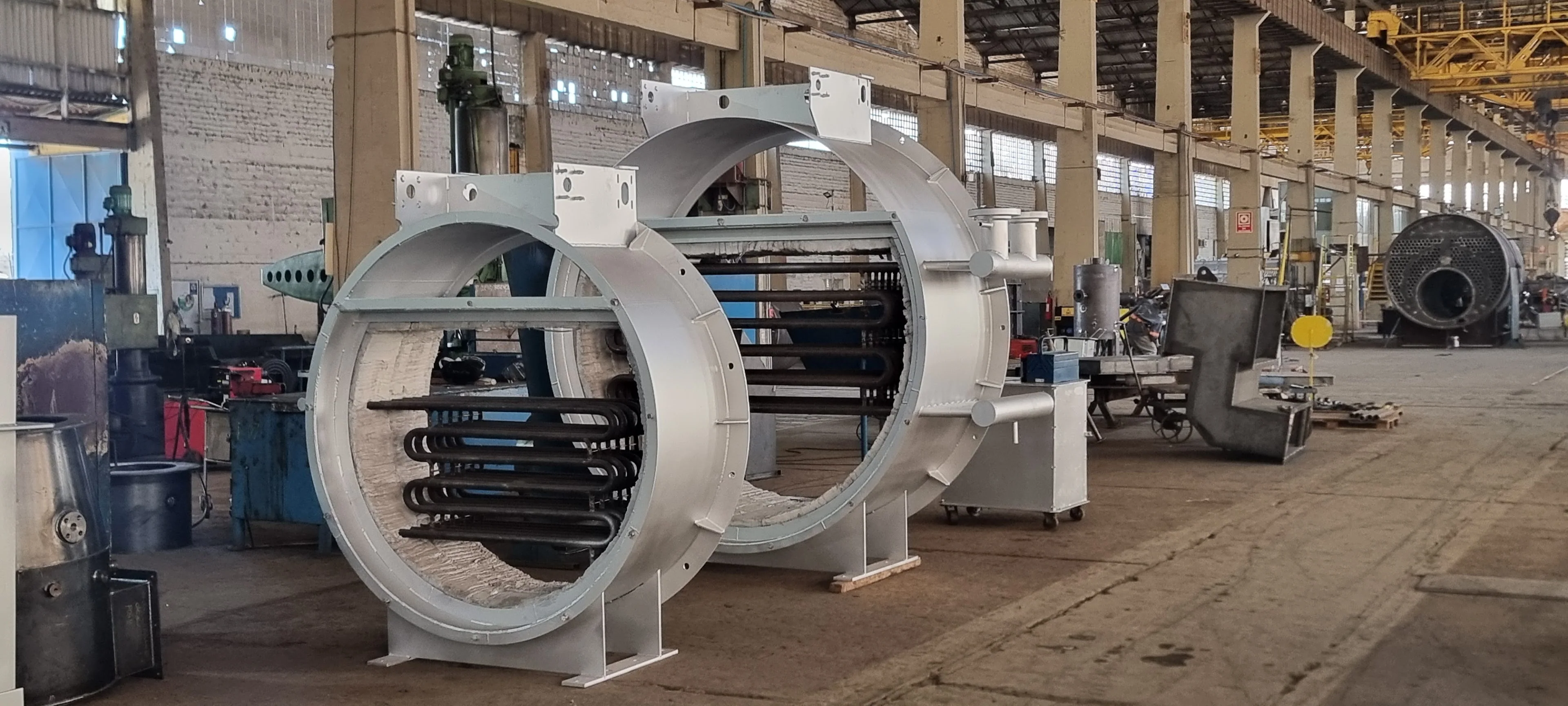
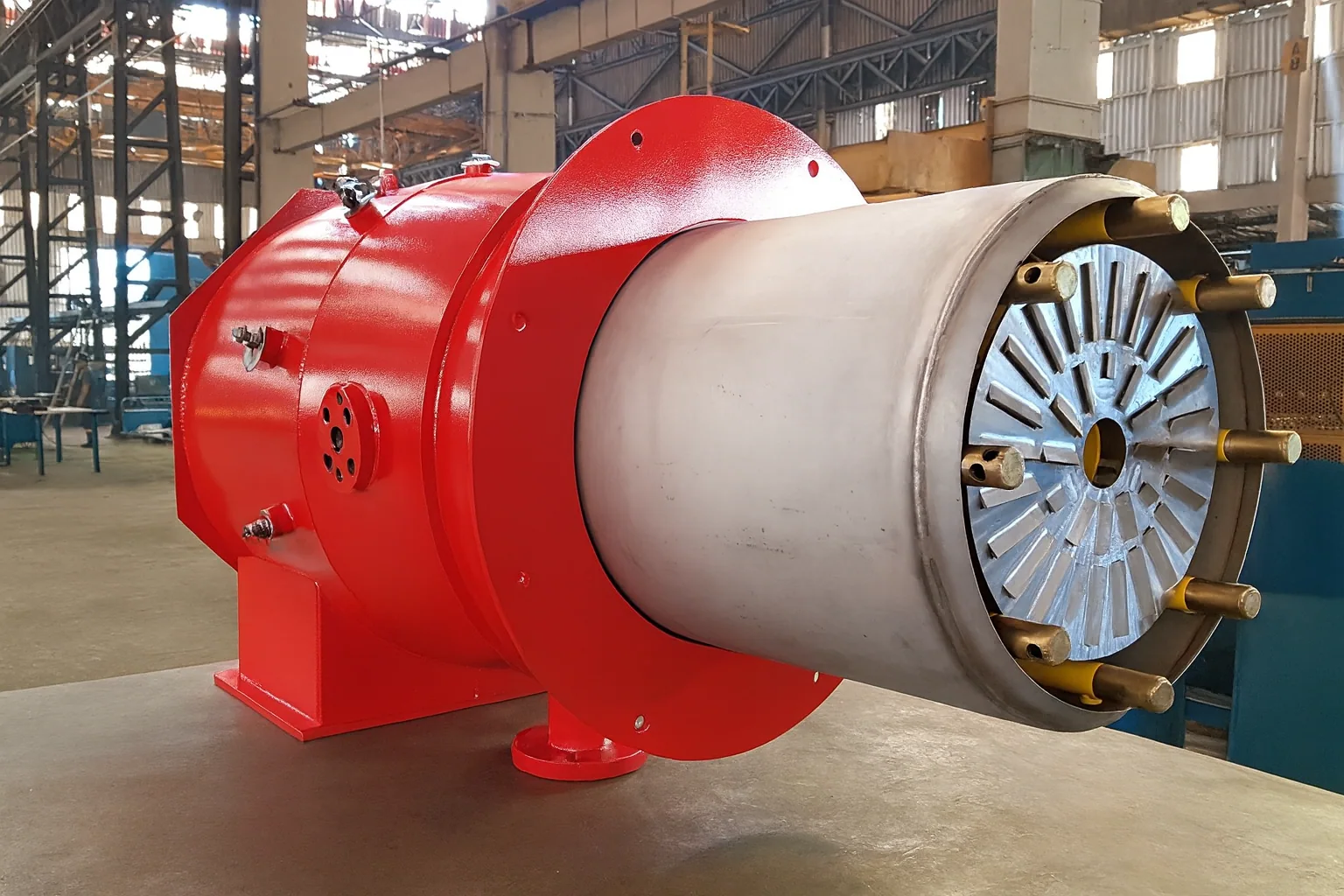
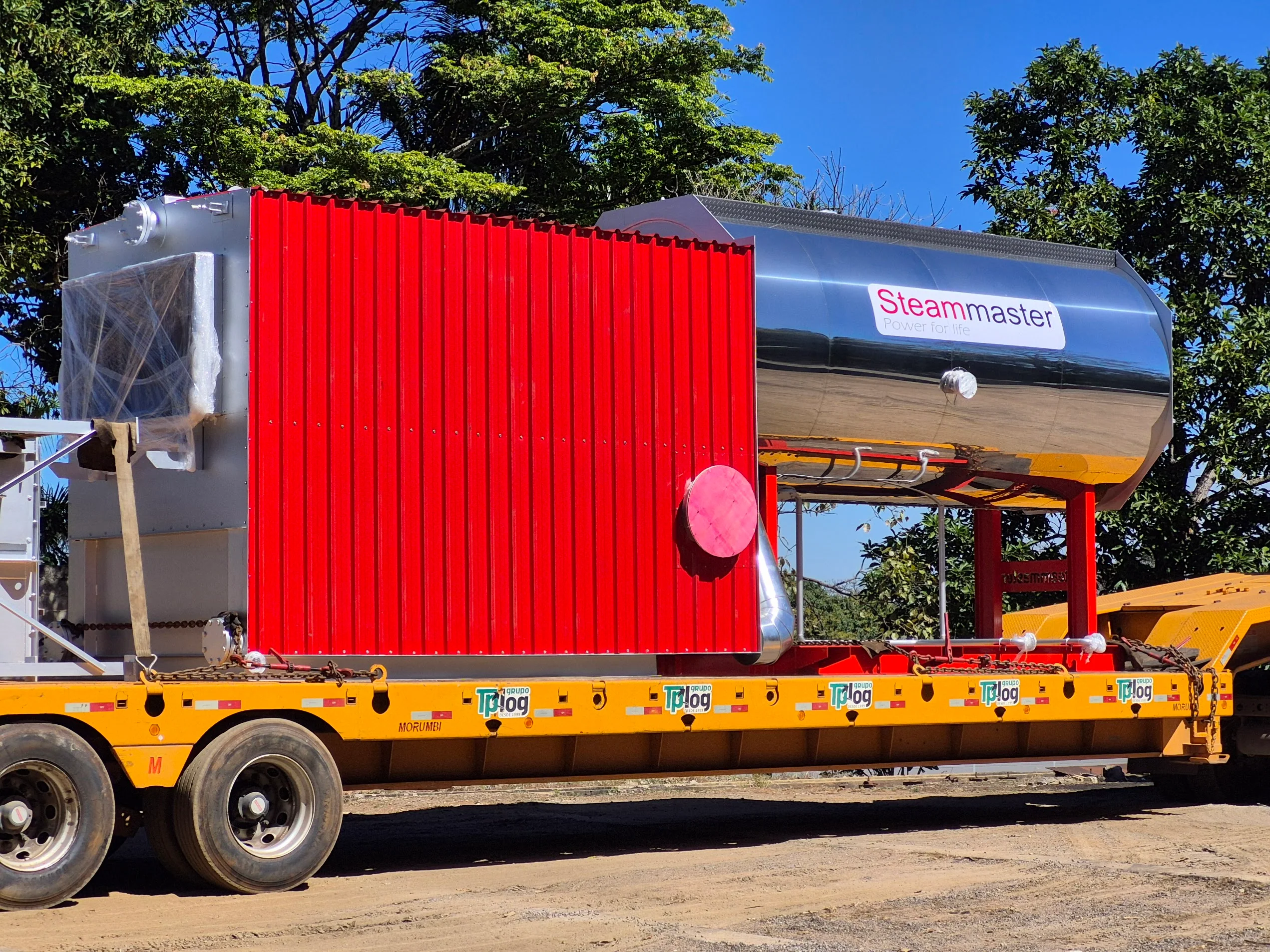
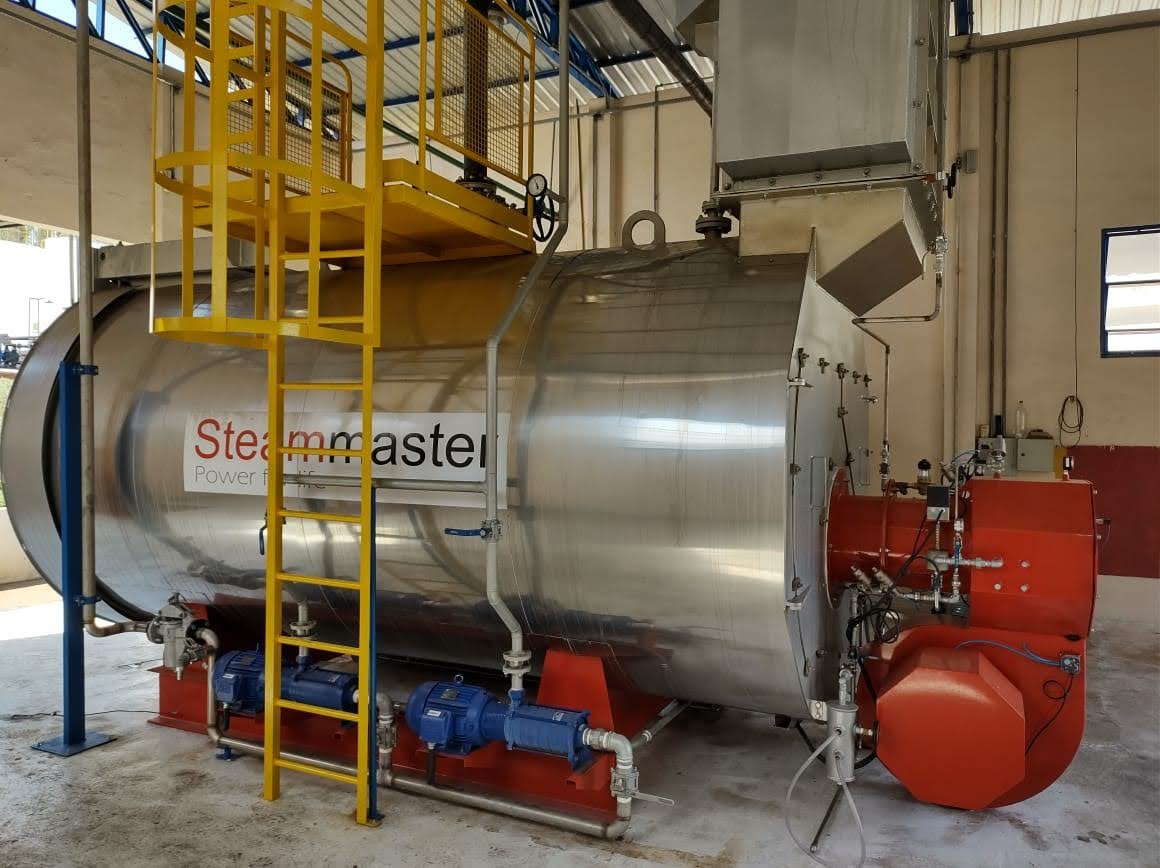
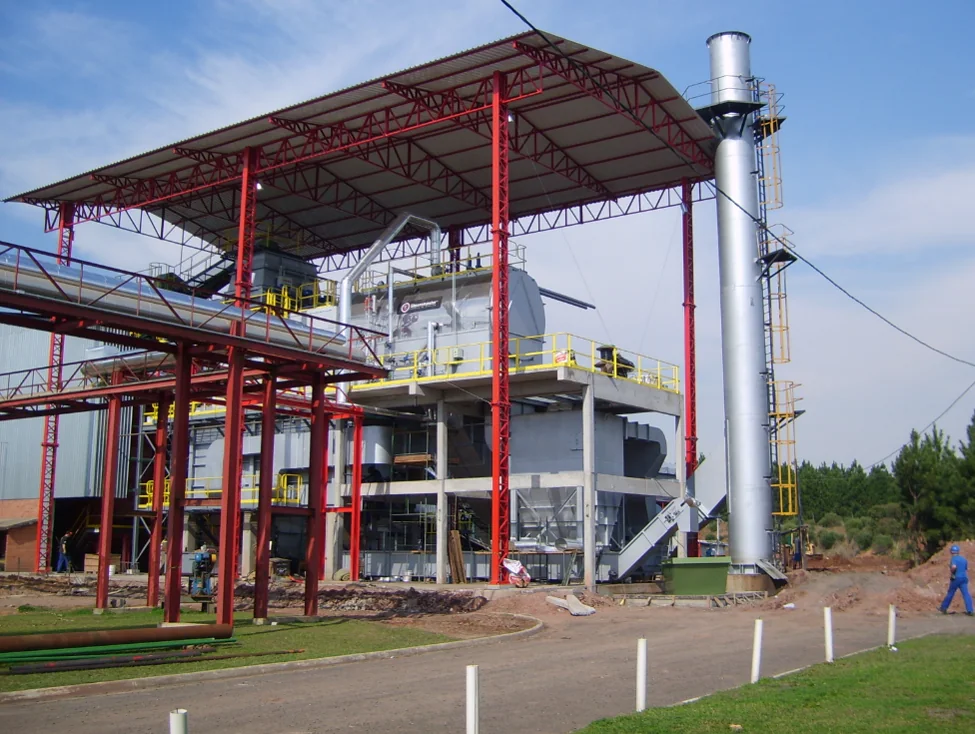
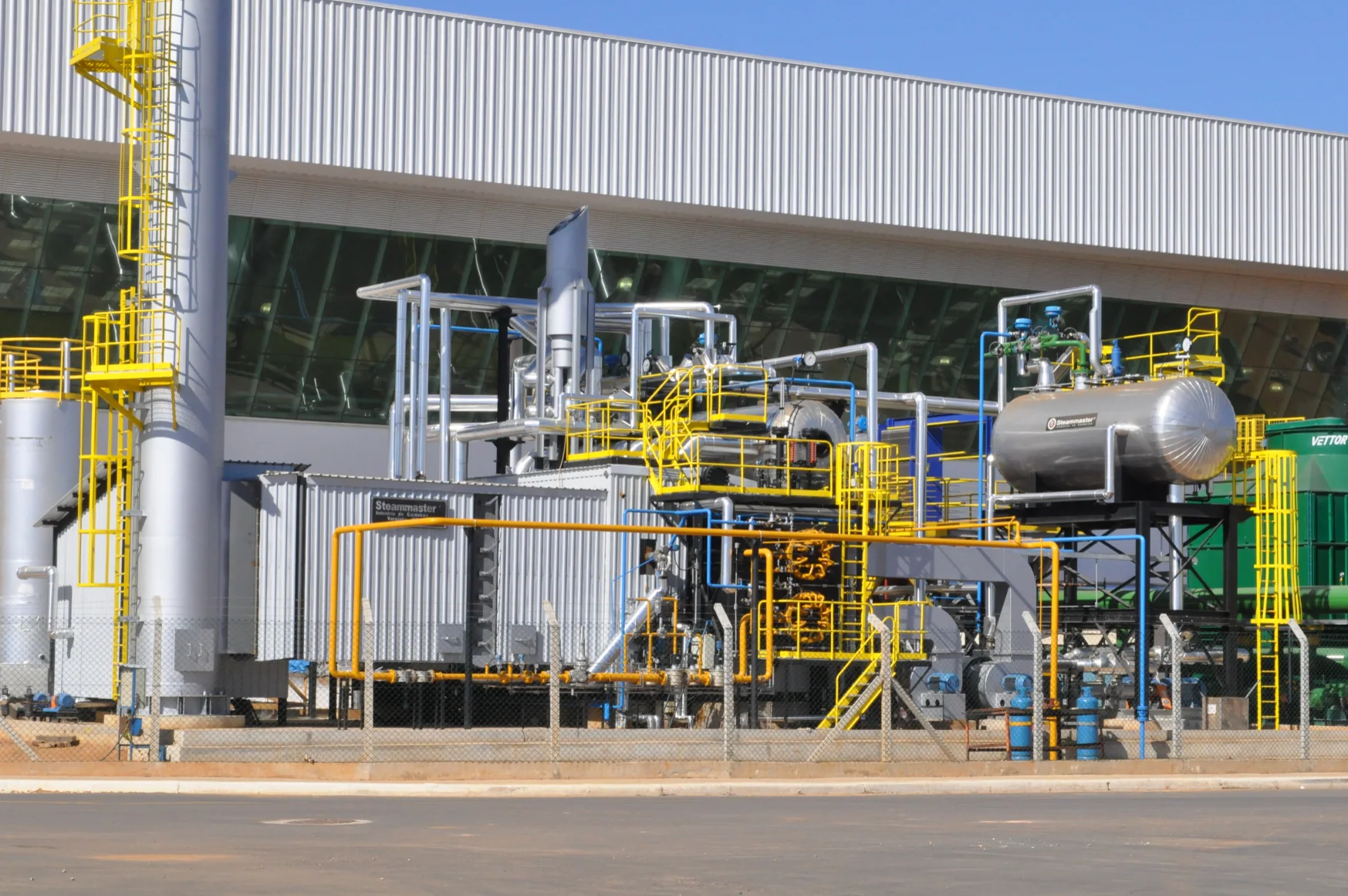
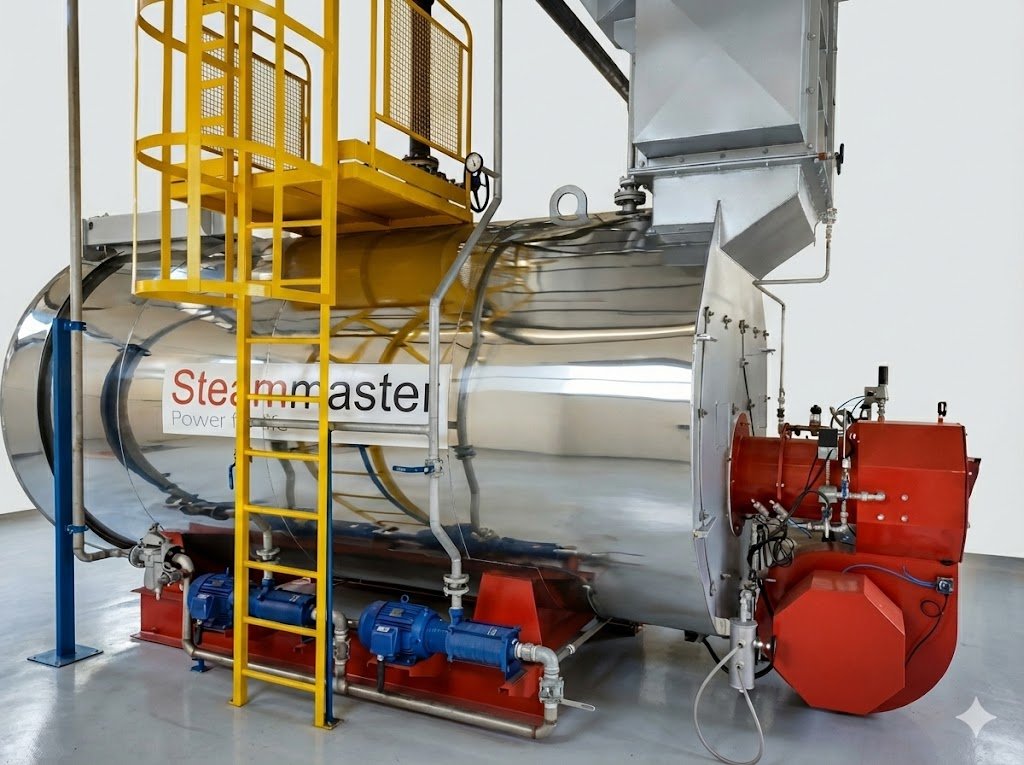
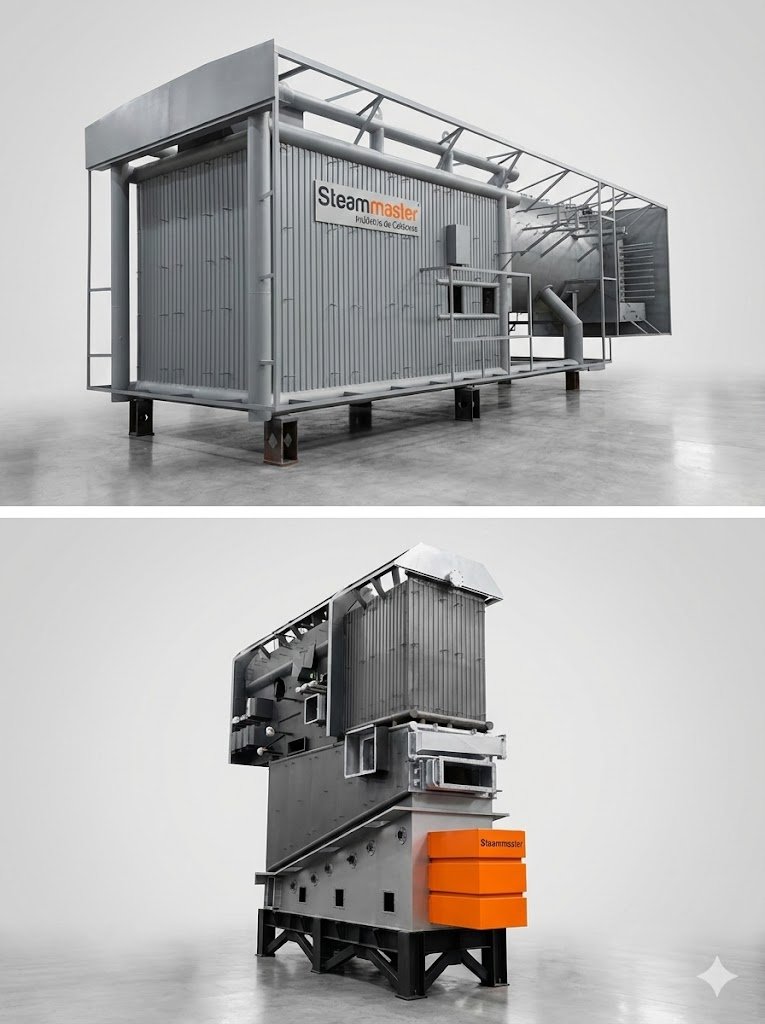
Reference visuals for process challenge, recommended route, installation scope, and ongoing operating support.

Solution Project visuals - Process challenge
Process challenge
Solution Project visuals - Recommended platform
Recommended platform
Solution Project visuals - Typical installation scope
Typical installation scope
Solution Project visuals - After-sales support
After-sales support