Boilerhouse Water and Heat Recovery

Condensate Receiver and Flash Tanks

Standard equipment for collecting hot condensate, maintaining a stable water supply, and separating reusable flash steam from pressurized hot-water streams.

Steammaster designs each tank according to the plant's flow rate, pressure, temperature, operating profile, and installation requirements.

Condensate Receiver Tank Hot-Water Recovery

Storage and operating volume for reliable condensate return.

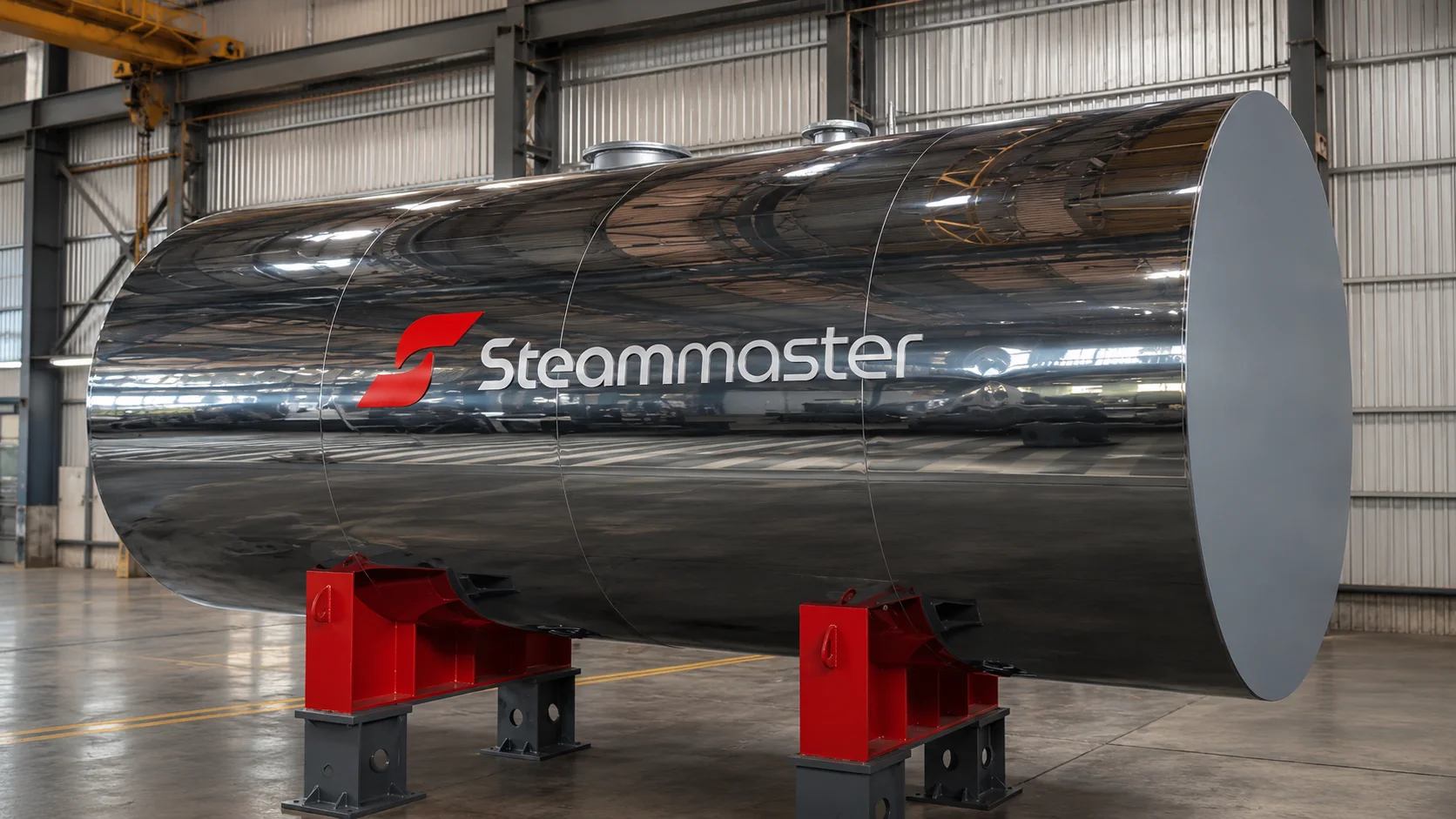
This equipment receives hot condensate returning from industrial processes and maintains a controlled water supply for transfer to the feedwater or deaeration system.

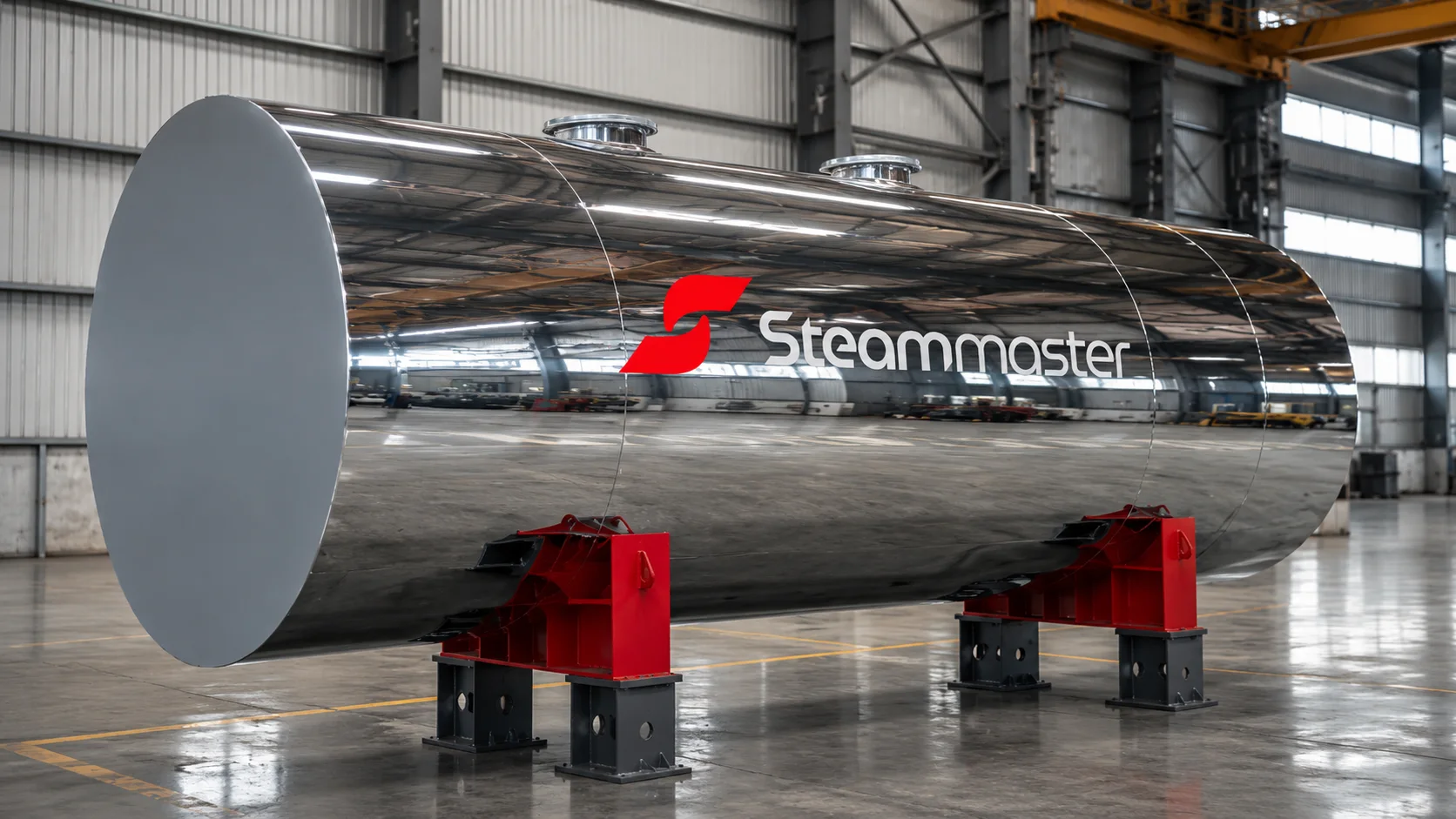
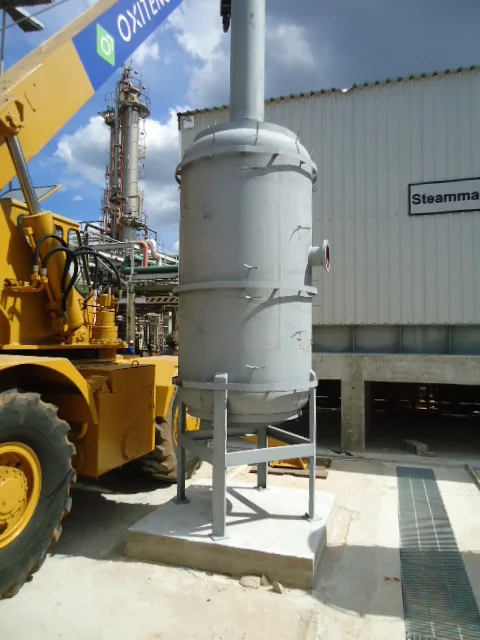
The main image and first thumbnail show the condensate receiver tank. The second thumbnail shows a flash tank installed in the field.

Condensate Receiver Tank

Recover hot condensate and return it to the boilerhouse.

The receiver provides the storage volume needed to accommodate variations in condensate return. It also creates a controlled point for make-up water and pump suction.

  • Receives and stores condensate returning from process equipment
  • Supplies transfer or boiler feed pumps
  • Routes recovered water to a deaerator or feedwater system
  • Includes the required vent, overflow, drain, level, and temperature connections

A condensate receiver tank is not a deaerator. It stores returned water but does not perform the same dissolved-gas removal function.

Flash Tank

Separate steam generated by pressure reduction.

When hot pressurized water enters a vessel operating at a lower pressure, part of it immediately becomes flash steam. The tank separates this vapor from the remaining liquid.

  • Receives continuous boiler surface blowdown or suitable hot-water streams
  • Separates flash steam from the remaining hot liquid
  • Directs recovered steam to a compatible low-pressure application
  • Provides the required pressure, level, safety, drain, and inspection connections

How a Flash Tank Works

A simple pressure-reduction and separation process.

  1. Hot pressurized water enters the tank.
  2. The pressure is reduced and part of the water becomes steam.
  3. Flash steam leaves through the upper outlet.
  4. The remaining hot liquid leaves through the lower connection.
  5. Recovered energy is directed to a compatible use.

Operational benefits

  • Greater recovery of hot condensate
  • Lower cold make-up water demand
  • Reduced feedwater heating requirement
  • Better use of energy contained in boiler blowdown
  • More stable boilerhouse water balance

Actual savings depend on return rate, temperature, pressure, contamination risk, and operating hours.

Engineering information

Each tank must be sized for the plant's real operating conditions, not only by boiler capacity.

  • Minimum, normal, and maximum flow
  • Inlet pressure and temperature
  • Storage volume or flash operating pressure
  • Pump, level-control, and instrumentation requirements
  • Installation area, materials, insulation, and applicable design code

Frequently Asked Questions

Condensate and flash tank basics

What is the difference?

A condensate tank stores returned condensate before pumping. A flash tank receives hot pressurized water and separates steam generated when pressure is reduced.

Can a flash tank receive boiler blowdown?

Yes. Continuous surface blowdown is a common application, provided inlet flow, boiler pressure, and required flash pressure are considered during sizing.

Can flash steam heat a deaerator?

Yes, when pressure, flow, water quality, and the plant operating balance are compatible with the deaerator requirements.

Can both tanks operate in the same plant?

Yes. They perform different functions and may be integrated into the same boilerhouse project. One does not replace the other.