
BOILERHOUSE SYSTEMS

From boiler supply to boilerhouse reliability.

Industrial steam reliability depends on more than the pressure vessel. Steammaster supports the integration of boiler platforms, combustion, controls, water, condensate, heat recovery, documentation, commissioning, service and retrofit as one boilerhouse scope.

Integrated scope

Boilerhouse performance depends on how equipment, controls, water and service work together.

Boiler platform

Steam generation architecture selected by duty, fuel, pressure and plant continuity requirements.

Burner and combustion

Combustion strategy aligned with emissions, efficiency, turndown and operational repeatability.

Controls and supervision

Instrumentation, interlocks and supervision layers that help protect safety and stable operation.

Feedwater and deaeration

Water-side stability that supports corrosion control, reliability and better boiler response.

Condensate and flash steam

Recovery logic that reduces waste, protects utility balance and improves heat use.

Heat recovery

Economizers and related packages matched to duty cycle, stack condition and fuel strategy.

Fuel and air systems

Supporting interfaces that influence combustion quality, plant integration and maintainability.

Service and retrofit

Commissioning, troubleshooting, spares and upgrades that keep the system performing after handover.

Boilerhouse integration Lifecycle support

One operating architecture instead of isolated equipment decisions.

Steammaster reviews boilerhouse scope as a connected system. That approach helps align duty profile, utility balance, controls, commissioning logic and field support before the project gets fragmented.

  • Connects product selection with auxiliary scope, documentation and operational continuity.
  • Supports retrofit and modernization without forcing a full plant replacement conversation.
  • Gives buyers a cleaner way to evaluate system risk, not only equipment price.
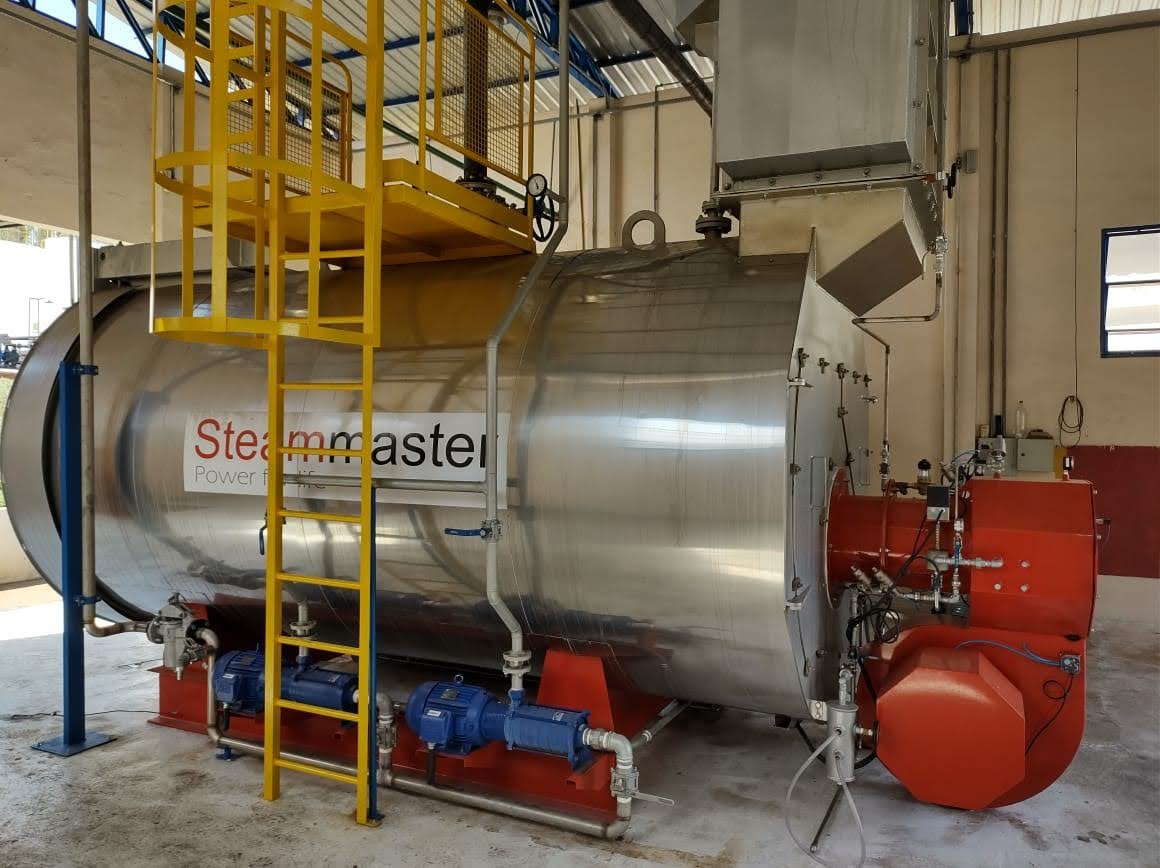
Deaeration and feedwater conditioning.

Deaeration, feedwater preparation and water-side stability help protect boiler performance, corrosion control and long-term operating reliability.

  • Supports dissolved-gas control and better feedwater consistency.
  • Improves response of the steam island under real operating variation.
  • Helps protect lifecycle value in pressure equipment and auxiliary scope.

Typical evaluation points

  • Feedwater quality and return conditions
  • Operating temperature, storage and recirculation logic
  • Integration with boiler controls and plant routine

Condensate return and flash steam recovery.

Condensate and flash steam systems can reduce waste, recover energy and improve the thermal balance of the boilerhouse when properly integrated with plant operation.

  • Recover heat and water that would otherwise leave the utility cycle.
  • Improve operational stability across fluctuating return conditions.
  • Strengthen overall boilerhouse efficiency without isolated fixes.

Typical evaluation points

  • Condensate temperature, return rate and contamination risk
  • Flash steam capture opportunities
  • Thermal balance and utility routing around the plant

Heat recovery and efficiency upgrades.

Economizers, air preheating and recovery packages can improve fuel utilization and reduce operating cost when matched to the boiler, fuel, duty cycle and stack conditions.

  • Evaluates waste-energy recovery in the context of real plant duty.
  • Links efficiency improvement to combustion and controls strategy.
  • Supports retrofit paths that preserve operating continuity.

Typical evaluation points

  • Stack temperature and excess-air condition
  • Economizer or air-preheating fit
  • Return on upgrade versus current boilerhouse losses

Controls, supervision and operating stability.

Combustion control, interlocks, instrumentation, remote supervision and plant integration help protect safety, repeatability and uptime.

  • Control logic aligned with boiler, burner and auxiliary scope
  • Instrumentation that supports inspection and commissioning routines
  • Supervision paths that help operations teams react earlier

Service, retrofit and spares.

Commissioning, troubleshooting, preventive maintenance, retrofit and spare parts support help protect performance after handover.

  • Installed-base support for modernization and continuity planning
  • Field service feedback that strengthens future upgrades
  • Spare-parts logic tied to plant criticality and uptime expectations

Typical boilerhouse upgrade packages

Representative upgrade scopes for plants reviewing efficiency, reliability, compliance and installed-base continuity.

Efficiency upgrade

Scope examples: economizer, air preheater, O2 trim, stack temperature review, combustion tuning and heat balance.

Reliability upgrade

Scope examples: feedwater, deaeration, condensate return, controls review, instrumentation and maintenance access.

Compliance and documentation upgrade

Scope examples: databook, inspection records, traceability, safety logic, manuals and project documentation.

Installed-base support

Scope examples: field service, spares, retrofit, commissioning, troubleshooting and maintenance planning.

Controls and supervision upgrade

Scope examples: combustion control, interlocks, flame supervision, O2 monitoring, plant integration and remote supervision where applicable.

Fuel and combustion review

Scope examples: fuel availability, burner setup, FGR, emissions expectations, turndown and operating stability.

Boilerhouse system context

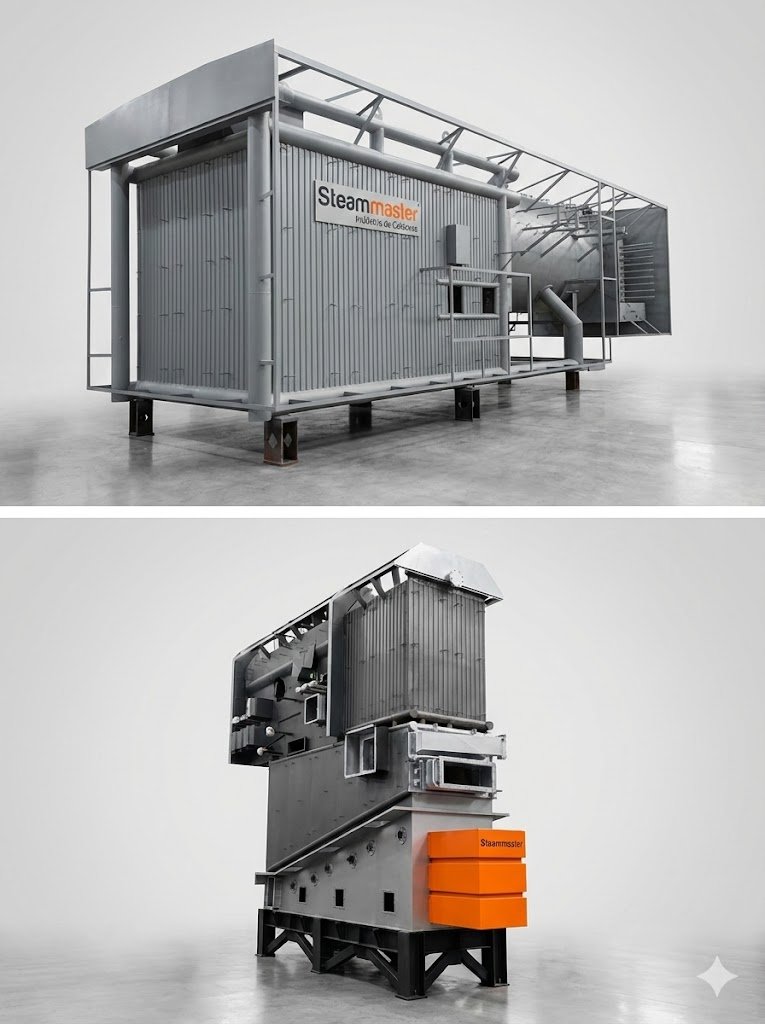
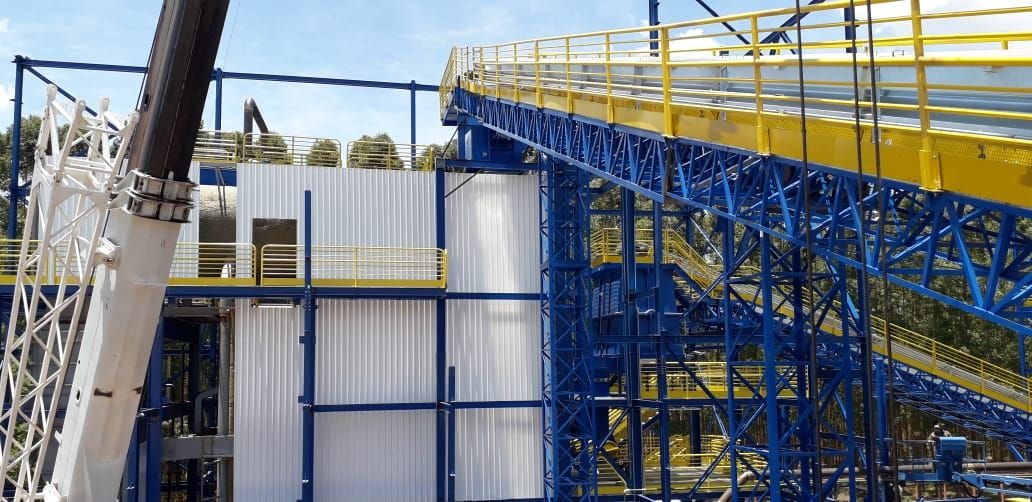
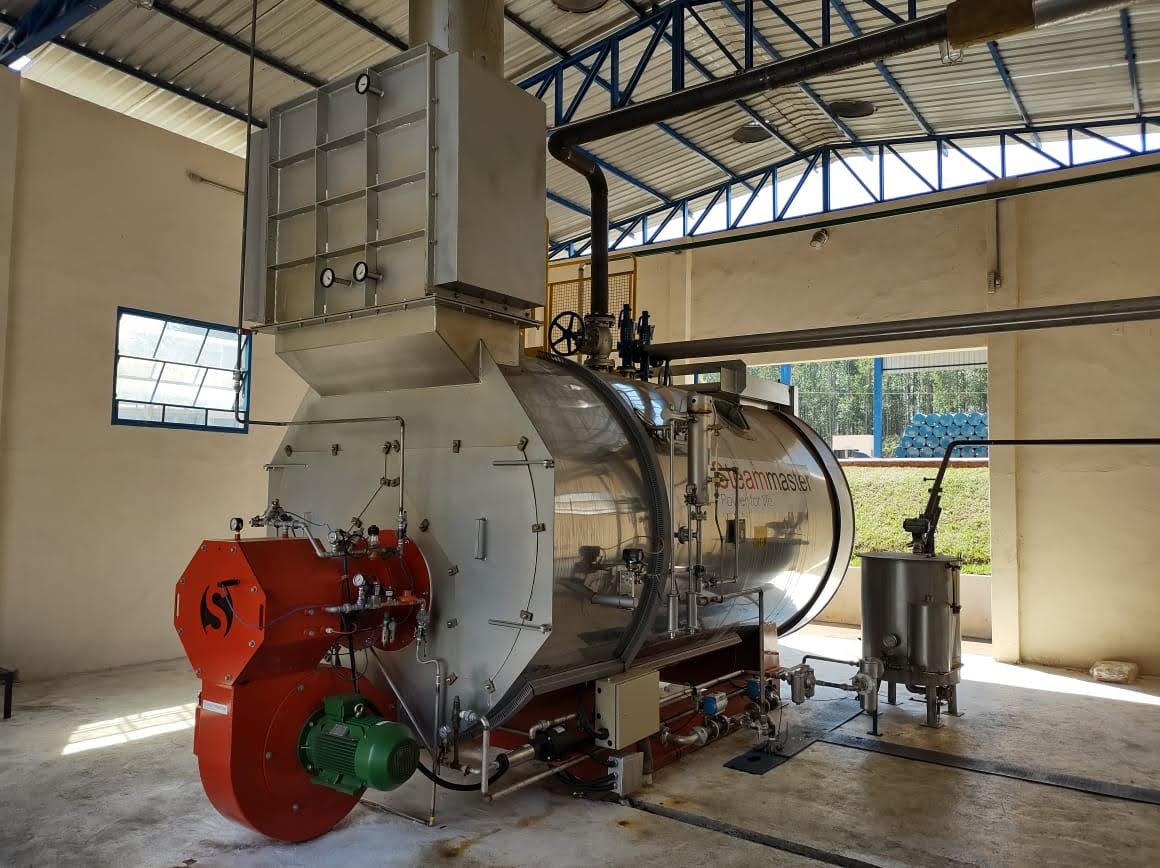
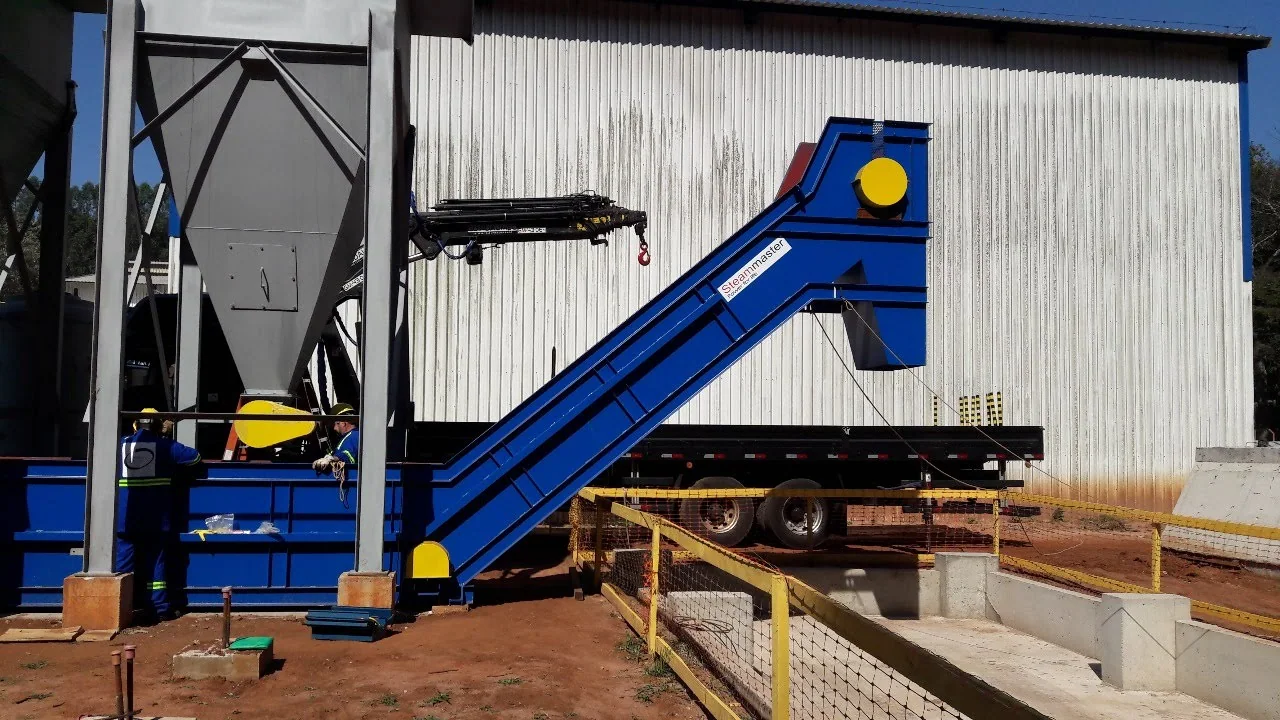
Reference visuals for water-side control, recovery packages, retrofit scope and field support.

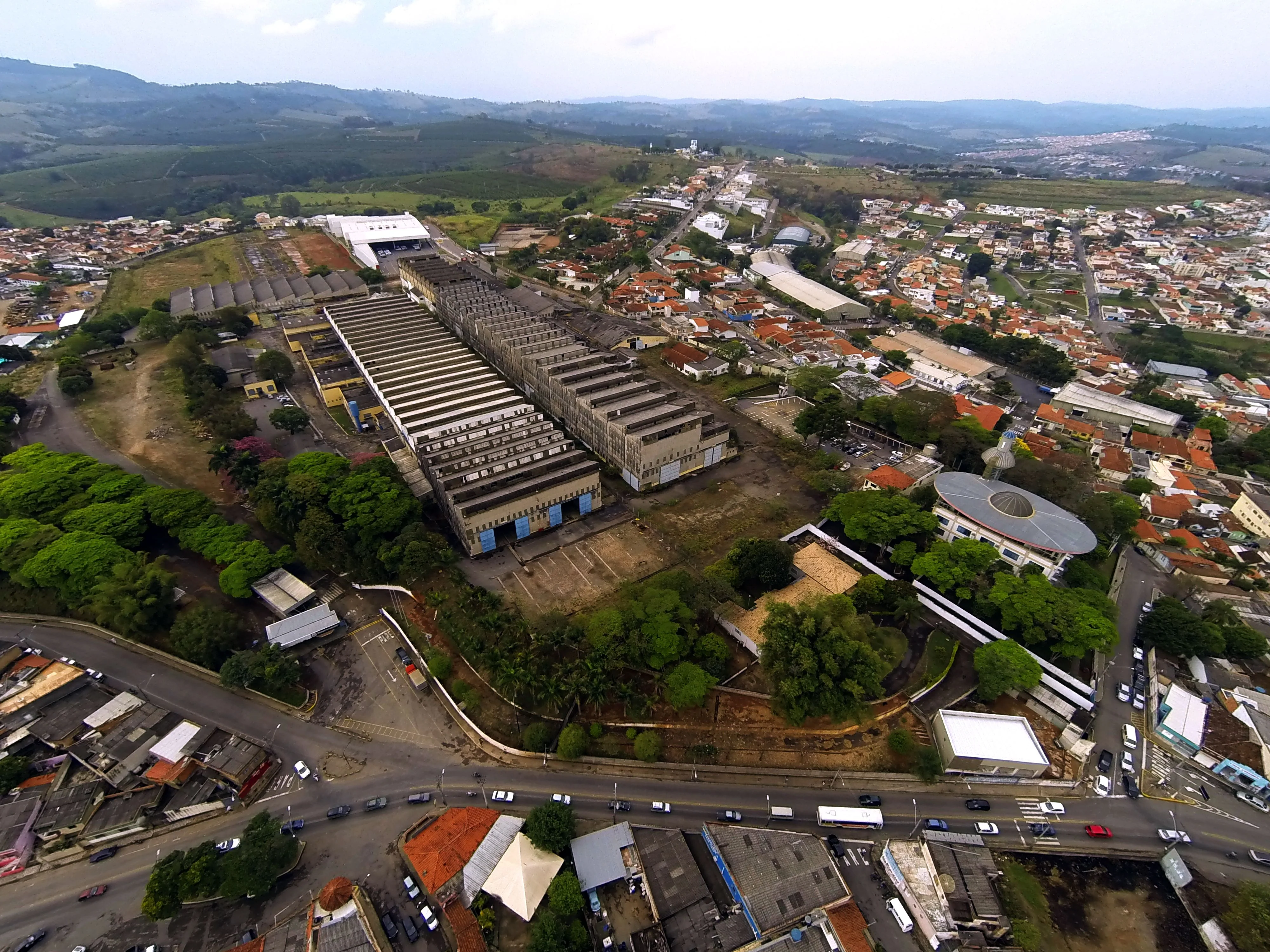
Boilerhouse system process challenge and steam plant context
Process challenge
Utility integration and boilerhouse package review context
Integrated system path
Inspection and documentation context for industrial boilerhouse systems
Inspection and handover
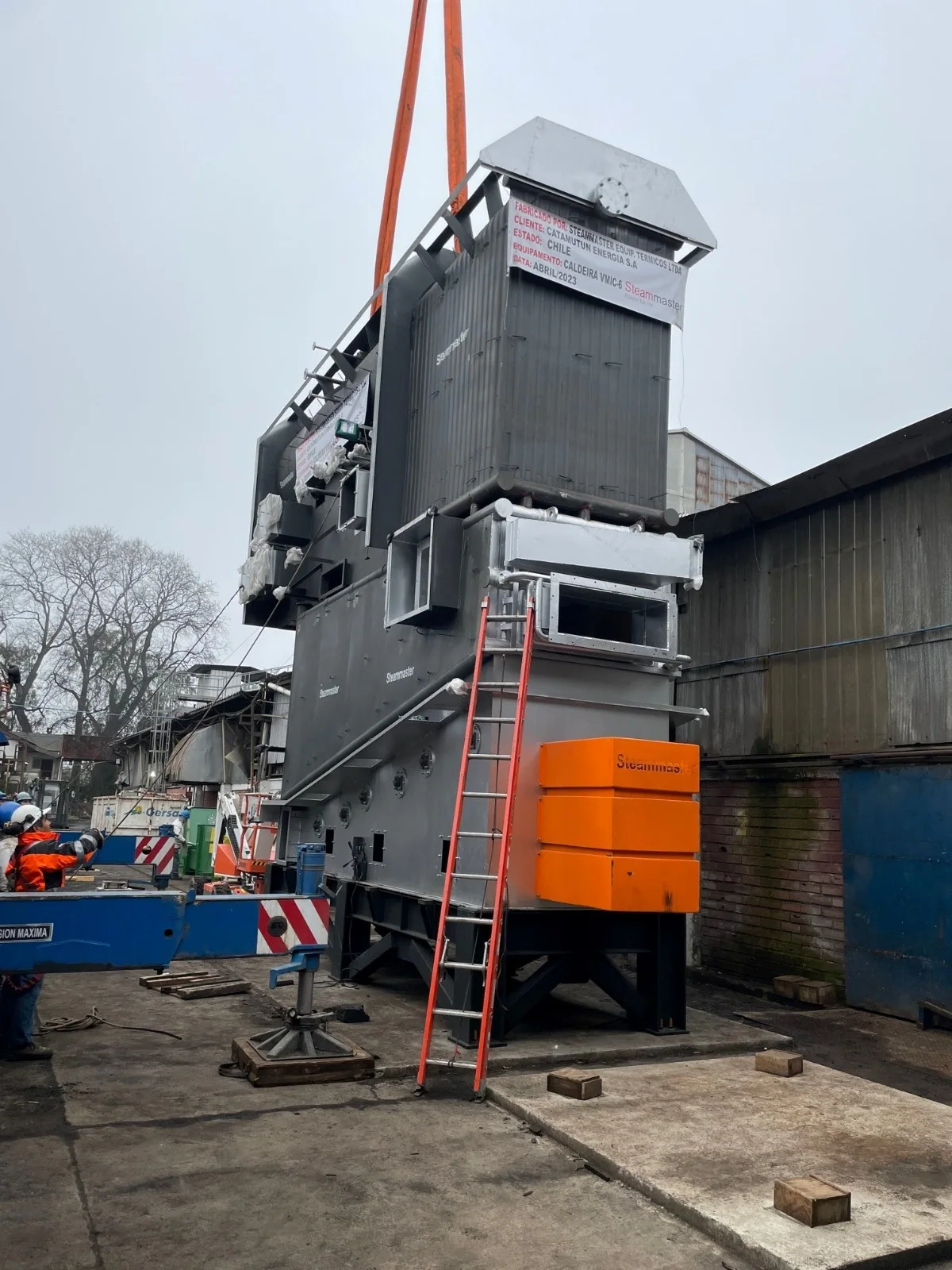
Field support and lifecycle continuity for steam utility systems
Lifecycle support